We've detected that you're using an unsupported browser. You may experience issues using the OA website. Please visit our supported browsers page for more information.

3

First Vigil Honor Sash

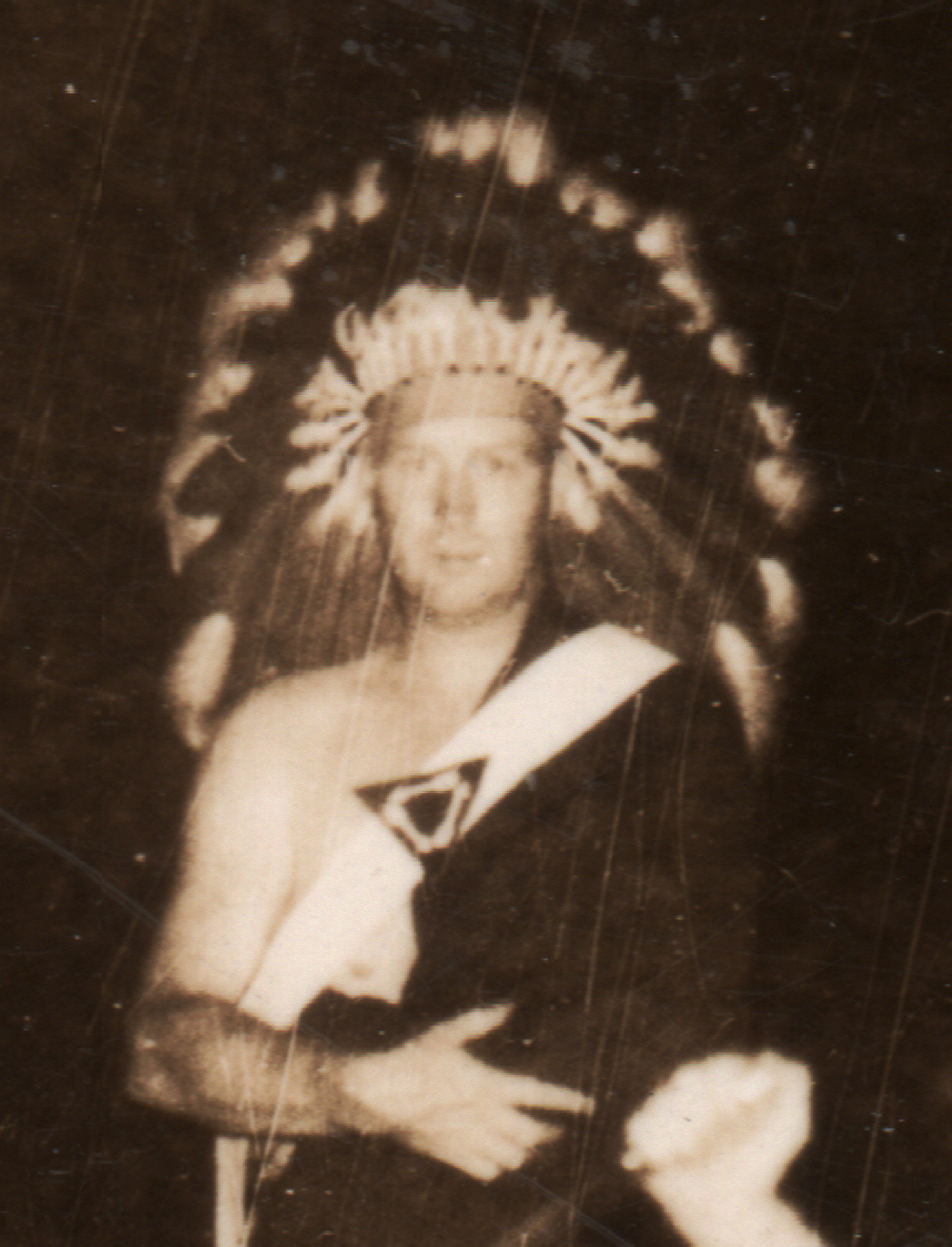
The only known photograph of the original sash for Third Degree (Vigil Honor) members is from the rededication council fire at Camp Biddle during the 1921 first meeting of the Grand Lodge. The photo shows the three part “bib” type sash around both E. Urner Goodman’s and Carroll A. Edson’s necks. One side of the triangle had an arrow pointing over the right shoulder signifying the First Degree. One side of the triangle had an arrow pointing over the left shoulder signifying the Second Degree. The third side of the triangle had an arrow pointing to Goodman’s left as he wore it. The third arrow and side completed the triangle, which was the sign of the Third Degree. There are no other known pictures showing this bib; nor are there any known bib type sashes in collections or displays. There is also no evidence that anyone other than Goodman and Edson ever wore this sash.

When the Grand Lodge formed in 1921 there were eight Arrowmen who had been initiated into the Third Degree and they would all need a sash. By August of 1922 The Grand Lodge produced the first Grand Lodge issued Third Degree Sash. In an August 1922 letter from Horace Kern, Secretary for the Third Degree, Kern states in pertinent part:

Those who have already paid for their bands (sashes) and their dues need pay no attention to the above as this is merely a circular letter.

The Third Degree sash was made similar to the First and Second Degree sash in that the base material was white wool-felt with white linen backing. Unlike the First/Second Degree sash there was no large red felt arrow. Instead there was a four and one half-inch red wool-felt equilateral triangle with three small white felt arrows sewn to the middle of the sash. The arrows on the red felt triangle formed a triangle pointed in a clockwise direction. This sash has become known as the “no arrow” sash.

There are varieties of the no arrow Third Degree sash regarding direction of the arrows and notches in the fletchings of the small arrows. The no arrow sash was used through 1937. During the tenure of the no arrow sash there were two other Third Degree sashes used, one with a large red arrow first appeared around 1928 in Region 2 (New York, New Jersey) and a sash used in Region 7 (Illinois, Indiana, Wisconsin, Michigan) that was linen with a large red arrow and a white linen triangle in the middle with red small arrows. In a picture from the 1933 Grand Lodge meeting there are at least four varieties of different Third Degree bands visible.
3, Insignia, OA, Scouting


William Hinkle

William Hinkle was the gentle spirit of maturity and age among the enthusiasm and spirit of the young leaders of the emerging Wimachtendienk. He is a mystery person from the beginnings of the Wimachtendienk. He never emerges to the forefront, but his record of service and recognition places him in the same league with the founders and their key group of adult supporters.

Hinkle was a medical doctor who believed so much in Scouting that in 1918 he gave up his practice and joined the professional Scouter staff as a part-time Field Executive in the Philadelphia Council. Perhaps Hinkle’s greatest gift to the Wimachtendienk was his ability to write the words for the First and Second Degree ceremonies. The Legend of the Order is often credited to Hinkle.

Goodman speaks of Hinkle with great respect.

The Second Degree as now held was developed by Dr. Hinkle who, by the way is responsible more than anyone else for the present ritual of the first and second degrees, had drawn up such ritual and after which it was largely adopted. Up to that time the work illustrative of the three principles of the Order was as stated above given publicly at the camp council fire, the explanation was made in private.

--- Goodman to Kern, 1925

In a newspaper article about the Wimachtendienk in 1921, Hinkle is identified as one of two Medicine Men for Unami Lodge (along with George Lower). Hinkle served as a Medicine Man in the teens for both the First Degree and Second Degree Wimachtendienk ceremonies.

While serving as the Chairman of the Committee on Ordeals and Rituals for Unami Lodge in 1921, Hinkle reported that the ceremonies needed to be rewritten to preserve the mystery because an outsider had observed them. Hinkle led the way on the re-writes of the First and Second Degrees.

When the Grand Lodge was formed in 1921, Hinkle’s work was adopted and used for over a decade. In recognition of his quiet leadership, great wisdom, skillful writing and strong mentoring, Hinkle was elected the seventh Third Degree (Vigil) member and was included in the inaugural class of the Order of the Arrow’s Distinguished Service Award in 1940.

3


Third Lodge Formed

Richmond Area Council, Richmond, Virginia formed Pamunkey Lodge 3 on November 25th, 1919. Pamunkey Lodge disbanded in the 1920s and lost its charter after not paying dues. In 1945 Richmond Area Council (now known as Heart of Virginia Council) revived the OA. The Council retained its original charter number and became Nawakwa Lodge.

3, OA, Scouting


Fourth Lodge Formed

Ranachqua Lodge 4 of The Bronx, New York formed Wimachtendienk’s fourth lodge on August 1, 1920.  The lodge was founded by William A. Stumpp, who served as their first lodge chief, a position that he held for more than two decades.

3, OA, Scouting


Chief William Stumpp

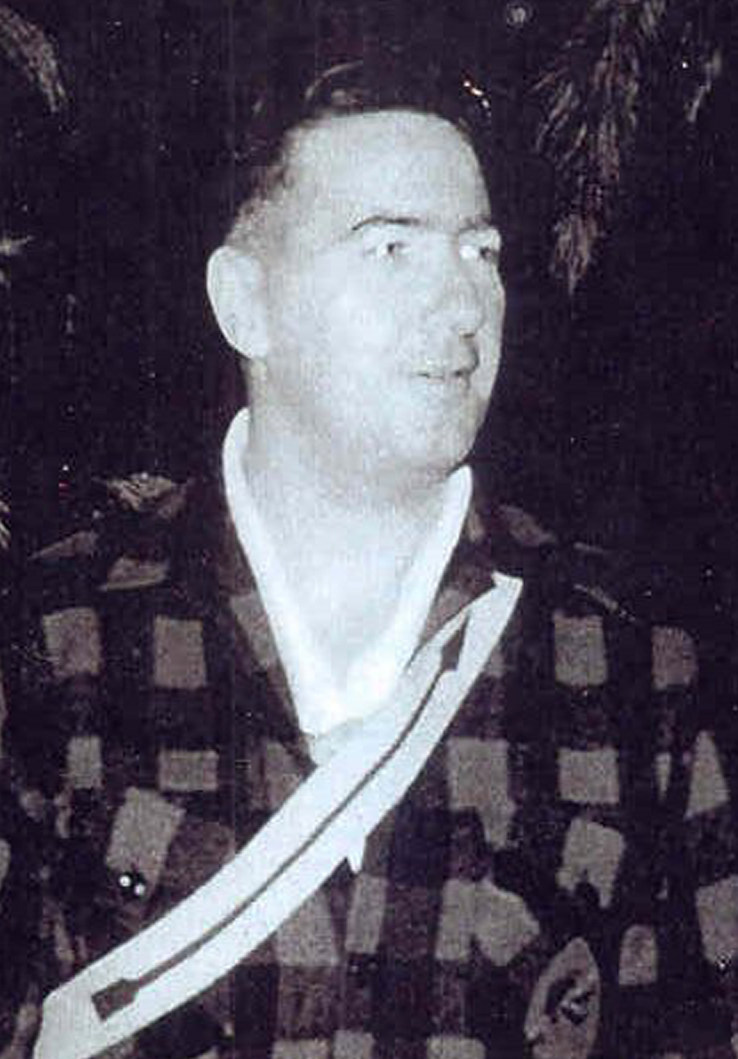
William A. Stumpp was always called “Chief”. Chief Stumpp was a long serving Scout Executive in the Greater New York Councils for The Bronx. He also was Camp Director at Camp Ranachqua, a camp along Kanawaukee Lakes. From that position Chief Stumpp initiated many lodges into Wimachtendienk including founding the Order's fourth lodge, Ranachqua Lodge, in 1920 to serve his own council. Stumpp is credited with starting more lodges than any other Arrowman by spreading the word to the camps around Kanawaukee Lake. Among the lodges Stumpp is credited with starting are Cowaw, Wawonaissa, Pamrapaugh, Chappegat and Shu Shu Gah lodges.

In 1923 Stumpp was elected the third Grand Lodge Scribe. During his term in 1924 he created what is known today as the National Bulletin. On October 31, 1924 Stumpp became the 31st Third Degree (Vigil) honor member. Stumpp’s Vigil name meant “Singing One”. In 1926 Stumpp became the sixth Grand Lodge Chieftain of Wimachtendienk.

While speculation has often been that Stumpp was called “Chief” because he had been a Grand Lodge Chieftain, or long serving Scout Executive or Camp Director, but none of these was the reason. Chief Stumpp was called “Chief” because he was, and always will be, the longest serving lodge chief in the Order’s history. Stumpp became the first chief of Ranachqua Lodge in 1920 when the lodge was formed. That was the custom of the day that the Scout Executive as Supreme Chief of the Fire was often the chief of the lodge. However, long after Scout Executives gave up the position and let other, typically young men, serve as lodge chief, Stumpp continued holding that office. Stumpp finally stepped down as lodge chief of Ranachqua Lodge in 1949 after serving for 29 years. Stumpp was forced to step down after the OA became an official BSA program and adults could no longer serve as lodge officers.

Stumpp was acknowledged for his years of service in 1940 at the National Meeting when he was awarded one of the inaugural 11 Distinguished Service Awards. His certificate recognized Stumpp for his “wise discretion” and “forceful perseverance.”

3, OA, Profile, Scouting


First Membership Cards

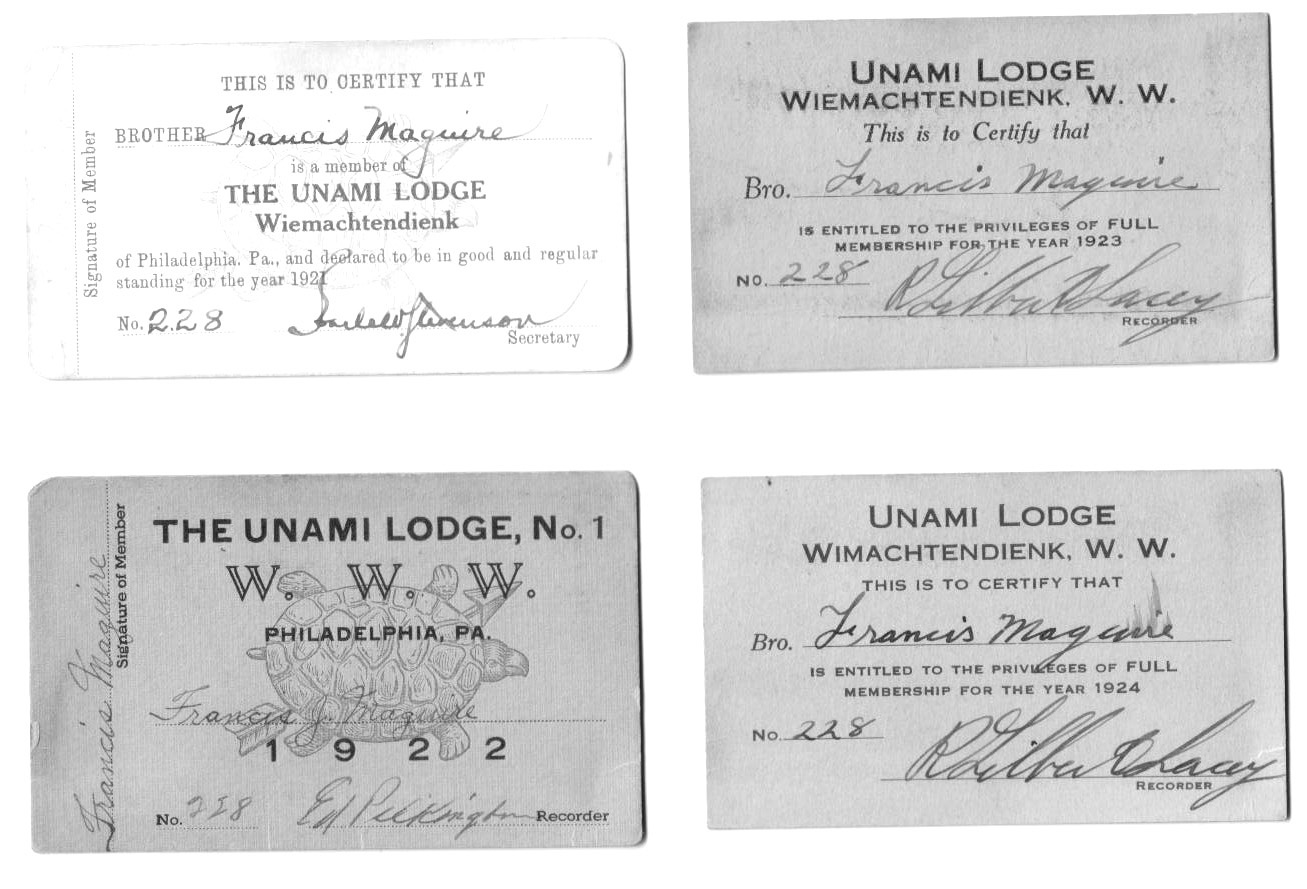
To the best of our knowledge the Wimachtendienk did not issue membership cards prior to the formation of the Grand Lodge in 1921. However, there is an example of a receipt for dues paid that dates back to 1918-19.

In 1921, the year the Grand Lodge was formed, Unami Lodge issued a beautiful membership card solely for its own members. The card had membership information on the front side and a picture of the lodge that was built on Treasure Island on the reverse. This 1921 membership card is the earliest known local lodge or Grand Lodge issue.

Unami Lodge continued their tradition of issuing their own membership card for many years. Unami was not the only local lodge that maintained their own membership cards throughout the history of the Wimachtendienk/Grand Lodge/National – Order of the Arrow.

3, Insignia, OA, Scouting


Sixth Lodge Formed

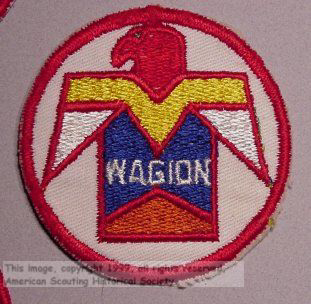
Umpah Lodge of Uniontown City Council, Pennsylvania became the Wimachtendienk’s sixth lodge on June 7, 1921. Umpah disbanded in 1925 and formed a non-Wimachtendienk honor society. In 1939 the Order would return to the area with a new name, Wagion Lodge 6.

3, OA, Scouting


Tenth Lodge Formed

In August of 1921, Pamrapaugh Lodge of Bayonne, New Jersey formed. Due to a clerical record-keeping error when the lodges were officially and retroactively numbered in 1926, Pamrapaugh Lodge was relegated to lodge number 14 instead of their rightful placement of number, 10.

3, OA, Scouting


Eleventh Lodge Formed

On September 17, 1921, Wawonaissa Lodge of Fanwood, New Jersey, Central Union Council, became the Order’s eleventh lodge. Due to a clerical error this lodge was given the number ten. In 1922 the council was absorbed into a neighboring council and the lodge disbanded.

3, OA, Scouting


Charter Member Lodges

The first eleven lodges were considered the “Charter” Lodges of the Wimachtendienk. All other lodges since have been required to submit a request for charter from the Grand Lodge. Wimachtendienk did form at other Scout camps prior to the first Grand Lodge Meeting. The identities of these lodges were unknown to the Charter Lodges. When the first Grand Lodge Meeting was held in October 1921, it was stated that it was attended by 8 of the eleven known lodges.

Those eleven lodges were:

  • Unami, Lodge 1, Philadelphia Council formed in 1915
  • Trenton, Lodge 2, located across the river from Philadelphia in Trenton, New Jersey.  This lodge would later be known as Sanhican Lodge and was formed in 1919
  • Pamunkey, Lodge 3, formed in 1919, located in Richmond, Virginia.  This lodge did not attend the 1921 Grand Lodge meeting and would disband and use a different fraternal society and then re-chartered as Nawakwa Lodge
  • Ranachqua, Lodge 4, formed in 1920, located in The Bronx, New York
  • Indiandale, Lodge 5, formed in 1921, located in Reading, Pennsylvania.  This lodge would change its name to Minsi Lodge in 1922
  • Umpah, Lodge 6, formed in 1921, located in Uniontown City, Pennsylvania.  This lodge would change its name to Wagion.
  • Moqua, Lodge 7, formed in 1921 at Owasippe Scout Reservation of the Chicago Council.  This lodge would merge with the four other Chicago lodges to form Owasippe Lodge in 1929.
  • Unalachtigo, Lodge 8, formed in 1921 at Camp Biddle, a Lone Scout camp for Philadelphia Council.
  • Cowaw, Lodge 9, formed in 1921, chartered in 1922 in Perth Amboy, New Jersey.
  • Wawonaissa, Lodge 10, formed in 1921 in Fanwood, New Jersey.
  • Pamrapaugh, Lodge 14, formed and chartered in 1921 located in Bayonne, New Jersey.

3


First Insignia

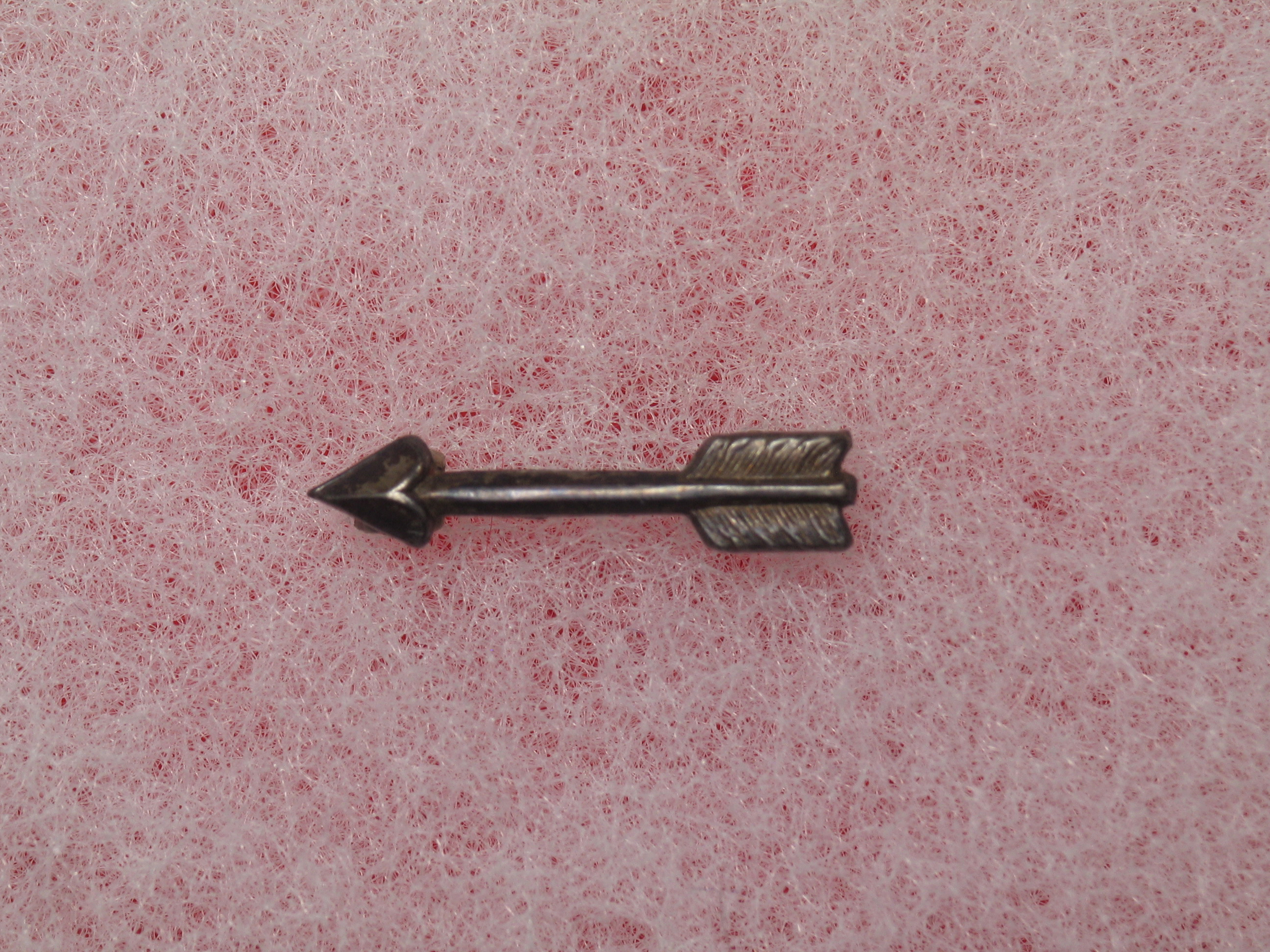
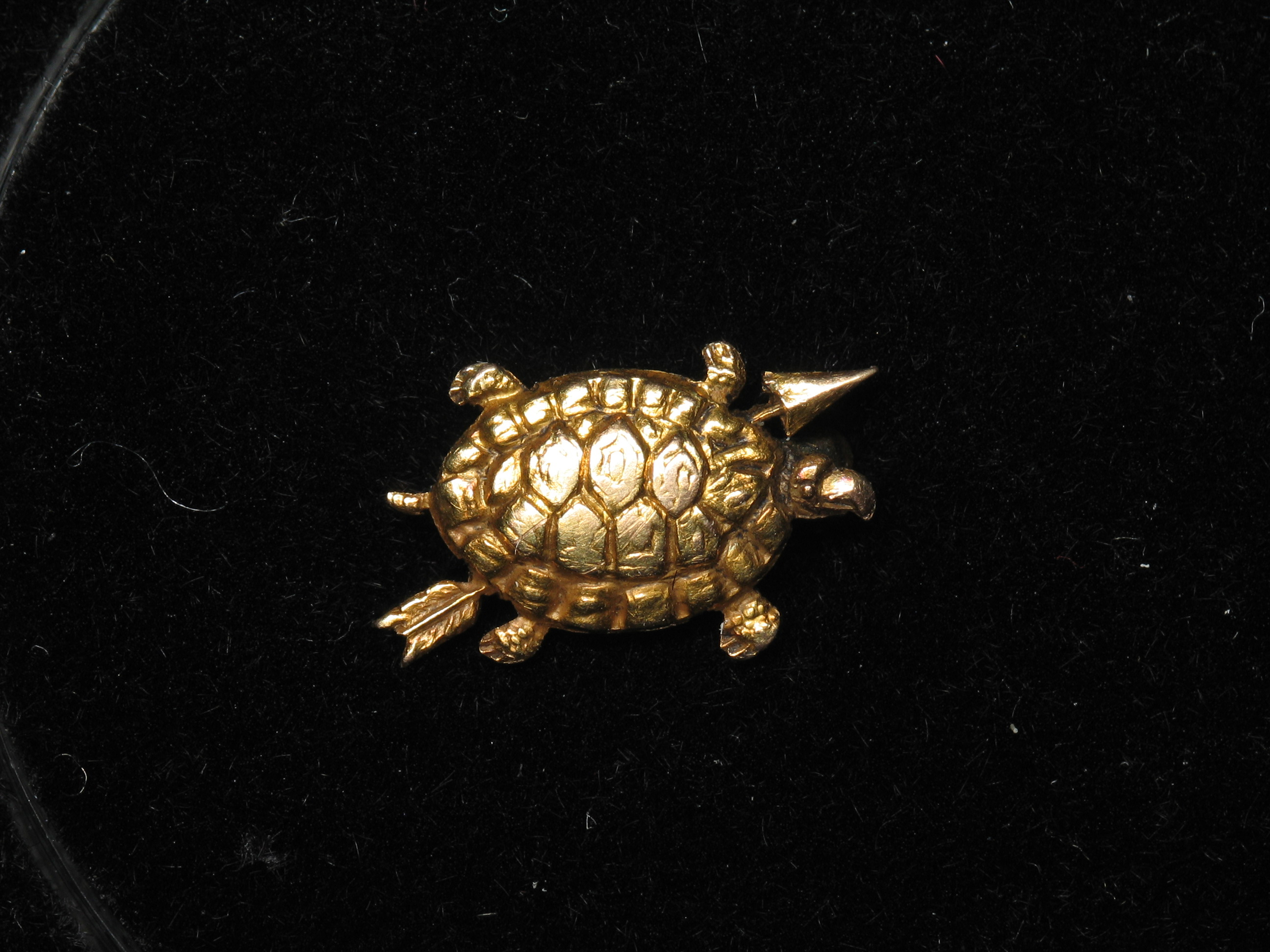
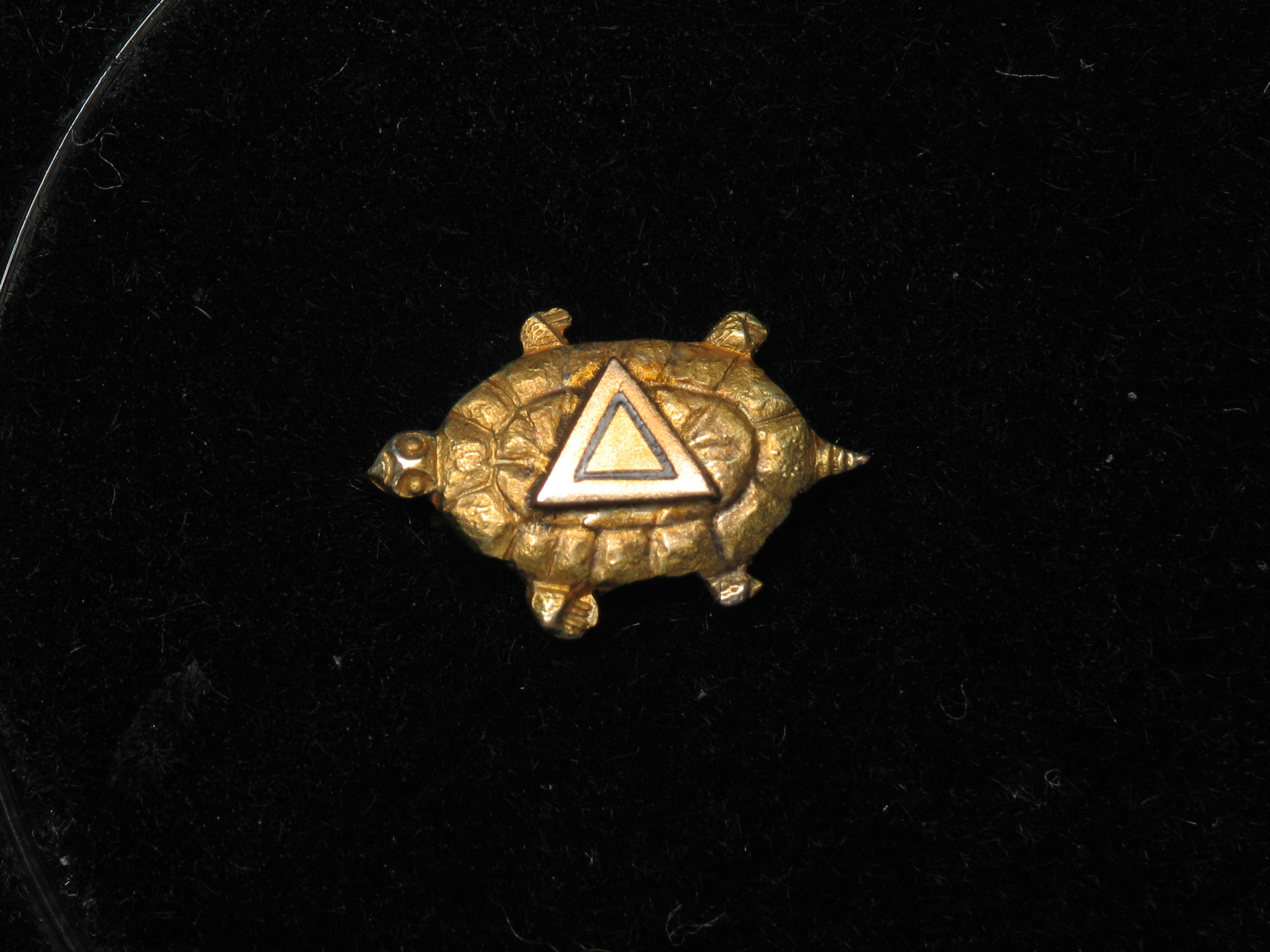
For years and years generations of Arrowmen have swapped and collected OA badges. Over 2,000 new pieces of OA insignia are issued every single year. However, in the beginning it was not patches, it was pins, some as small as a dime that were issued as insignia. Wimachtendienk was started as a fraternity and fraternities frequently use pins, starting with a pledge pin.

Article III – Insignia, in the 1916 Constitution of Wimachtendienk reads,

The tortoise shall be the general insignia of the Order; for the First Degree the insignia shall be the arrow superimposed on the back of the tortoise; for the Second Degree the insignia shall be the triangle superimposed on the back of the tortoise. The pin of the Order shall bear the above insignia; the pledge pin shall be the arrow.

Examples are known of these three pins. They are the original OA insignia which eventually evolved into the OA patches we use today.

3


First Totem

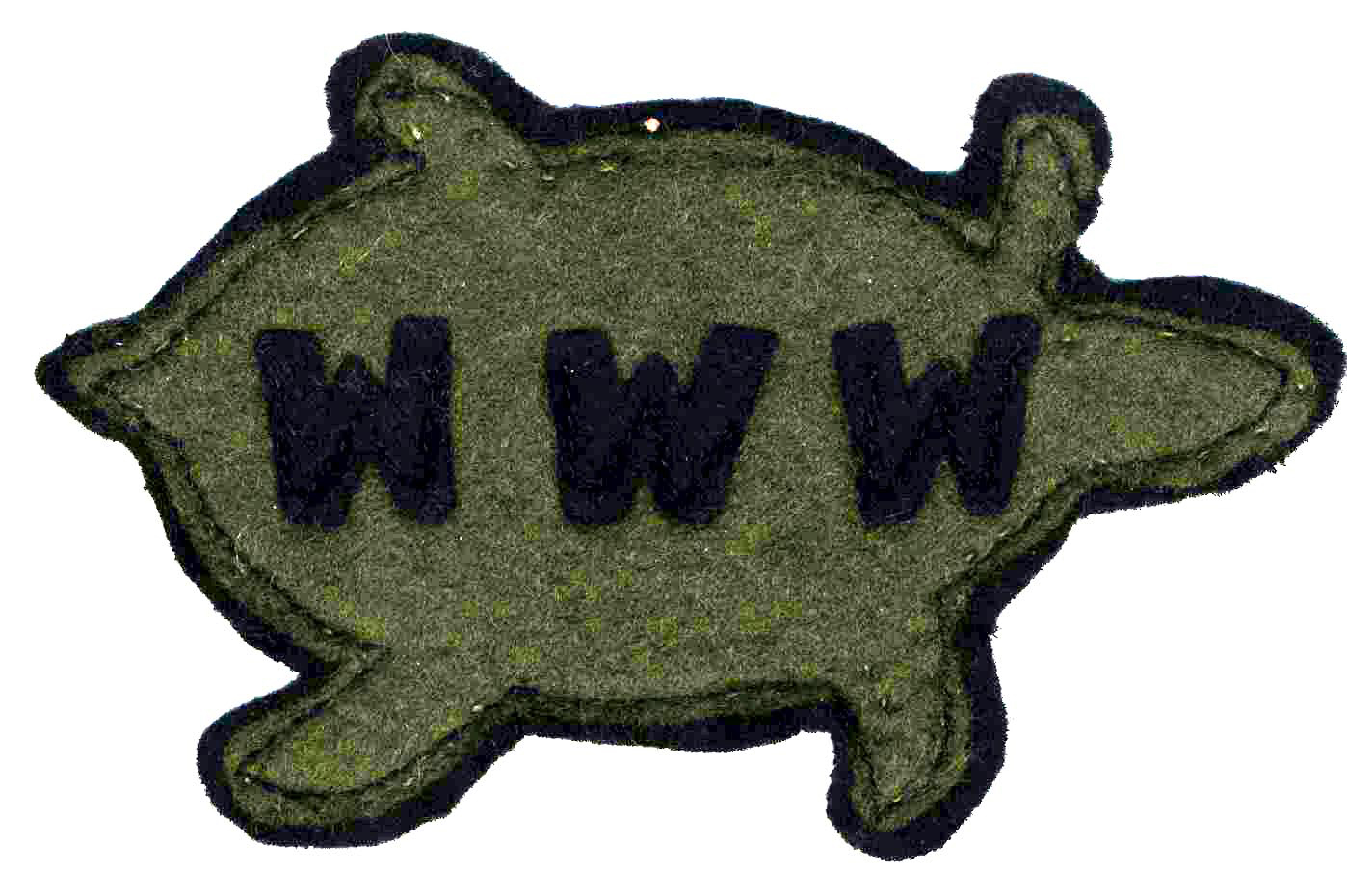
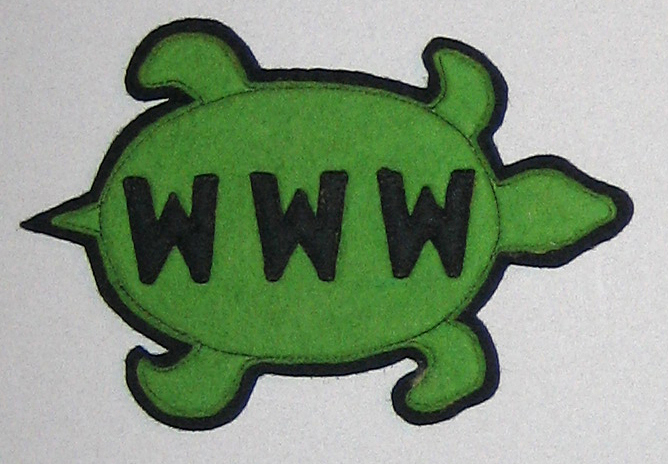
A requirement from the beginning has been that each lodge shall have a totem. Totems would later become a required element for insignia. While today’s lodge sometimes issue patches without their lodge totem on them, it is not the standard practice and it was virtually unheard of pre-1970. At the first ceremony on July 16, 1915 both Goodman and Edson wore tortoise shaped totems on their ceremonial robes. The 1916 Wimachtendienk Constitution specified the tortoise as their totem.

3