We've detected that you're using an unsupported browser. You may experience issues using the OA website. Please visit our supported browsers page for more information.

1

Goodman - Pre-WWW

On May 15, 1891, George R. Goodman and Ella Dora Jacobs Goodman of Philadelphia had a son. They named him Edward Urner, for grandfathers Edward Jacobs and George Urner Goodman. Ella Dora died when Urner was three, and he and his father, together with little sister Marjorie, lived with his grandparents Goodman and his three single aunts for several years.

Aunt Helen served as the children’s foster mother. Urner entered first grade at age six, but soon developed diphtheria, so contagious that he had to be quarantined in a hospital for many months. During that time, Aunt Helen passed away, and Aunt Clara took over the children’s care.

In 1898 the family moved to a country suburb, where Urner learned to love the outdoors, playing outside and walking to a nearby farm for milk. In 1903 his father married Emma L. Gross, a schoolteacher who had traveled part of the way to her first job in the Dakota territory by covered wagon, and the family moved back into central Philadelphia.

Urner – “Goodie” to his friends – was a good student, and attended the prestigious Central High School in Philadelphia, Pennsylvania, where he enjoyed drafting, writing, music, poetry, long walks and a few close friends, with whom he founded the Sextette Literary Club. His family was religious, and he spent a great deal of time at Tioga Presbyterian Church, not only for worship but also social activities, including a young men’s club, the Brotherhood of Andrew and Philip, of which he became a leader.

He attended the Philadelphia School of Pedagogy and became a teacher in 1913, taking graduate courses at Temple University. He also served as secretary of the Boys’ Work Committee of the Men and Religion Forward Movement in Philadelphia.

Tioga Presbyterian Church sponsored a troop of the new Boy Scouts of America, and in April 1911 Scouts Gilson M. Talmadge and Boyd Johnson, who learned of Urner from his work at church, visited Urner’s home and invited him to join as a leader. He soon became unofficial Scoutmaster, receiving an appointment from the council just after his 21st birthday in May 1912.

The troop was the most fun thing in town, featuring a first aid corps, a band and a “police squad” with weekly meetings and monthly campouts. By 1915, the troop had grown to almost 100 Scouts under his leadership. In May of 1915, he accepted the council’s invitation to become a professional Scouter.

1


BSA Founded

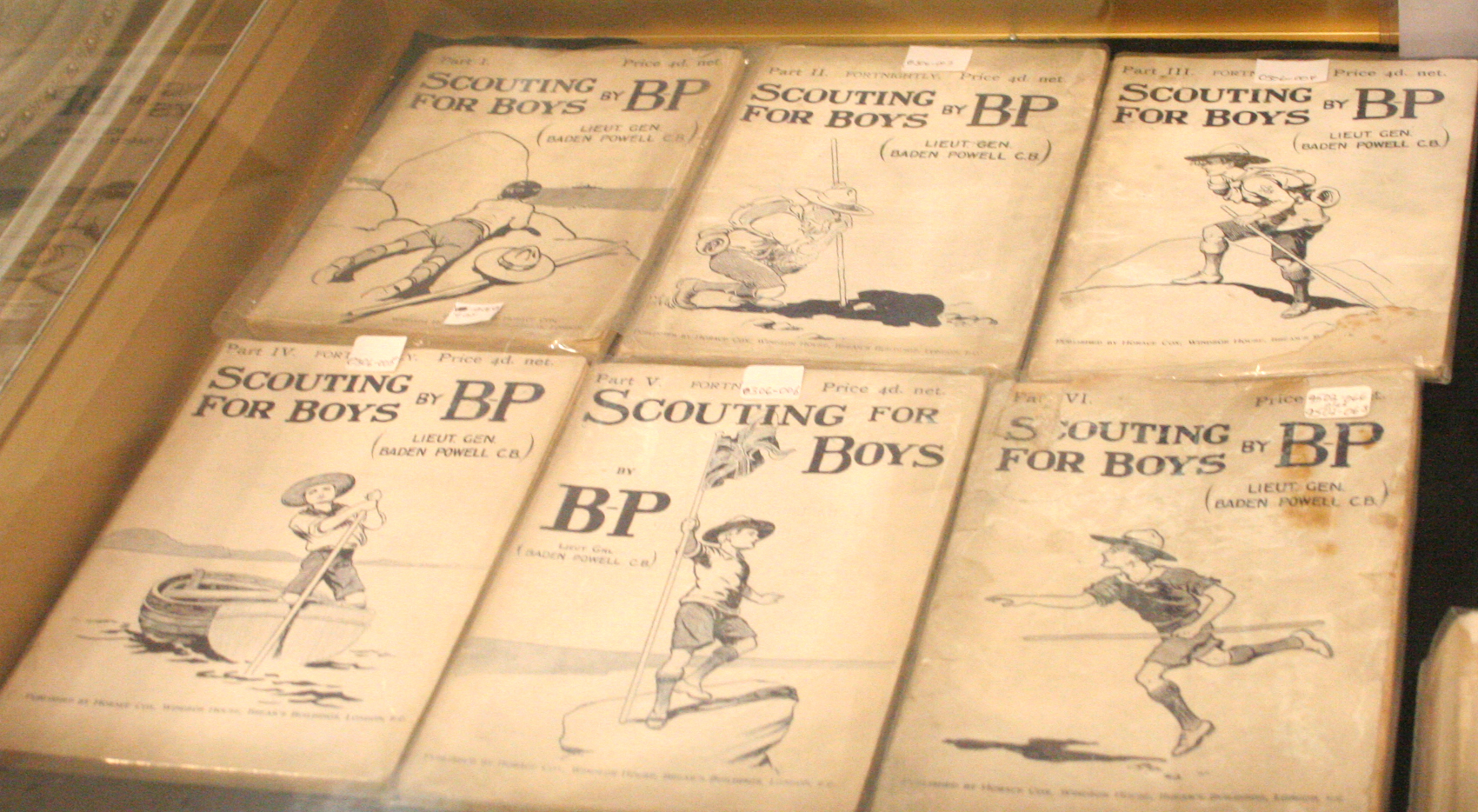
In 1909, Chicago publisher William D. Boyce was visiting London, and as legend has it, lost his way in a dense London fog. A boy came to his aid and, after guiding the man, refused a tip, explaining that as a Scout he would not take a tip for doing a Good Turn. It is known that Boyce was assisted by a Scout and found his way to the Scout headquarters where he bought a copy of “Scouting for Boys”. This gesture by an unknown Scout inspired the philanthropic Boyce to help finance the start-up of the BSA.

On February 8, 1910, the Boy Scouts of America was incorporated under the laws of the District of Columbia. From that day forth, Scouts have celebrated February 8 as the birthday of Scouting in the United States.

On June 21, 1910, 34 national representatives of boys’ work agencies met in a temporary national headquarters in a YMCA office in New York City and developed organizational plans. Many people and organizations actually helped get the BSA going, but the more notable founders of Scouting are: William D. Boyce, as the coordinator and incorporator, Ernest Thompson Seton (started Woodcraft Indians in 1902) as the “Chief Scout”, Daniel Carter Beard (founder of Sons of Daniel Boone in 1905) and the first National Scout Commissioner, James E. West, the first Chief Scout Executive and President William Howard Taft as the first Honorary President.

The BSA's stated purpose at its incorporation in 1910 was,

to teach [boys] patriotism, courage, self-reliance, and kindred values.

Later, in 1937, Deputy Chief Scout Executive George J. Fisher expressed the BSA's mission;

Each generation as it comes to maturity has no more important duty than that of teaching high ideals and proper behavior to the generation which follows.

1


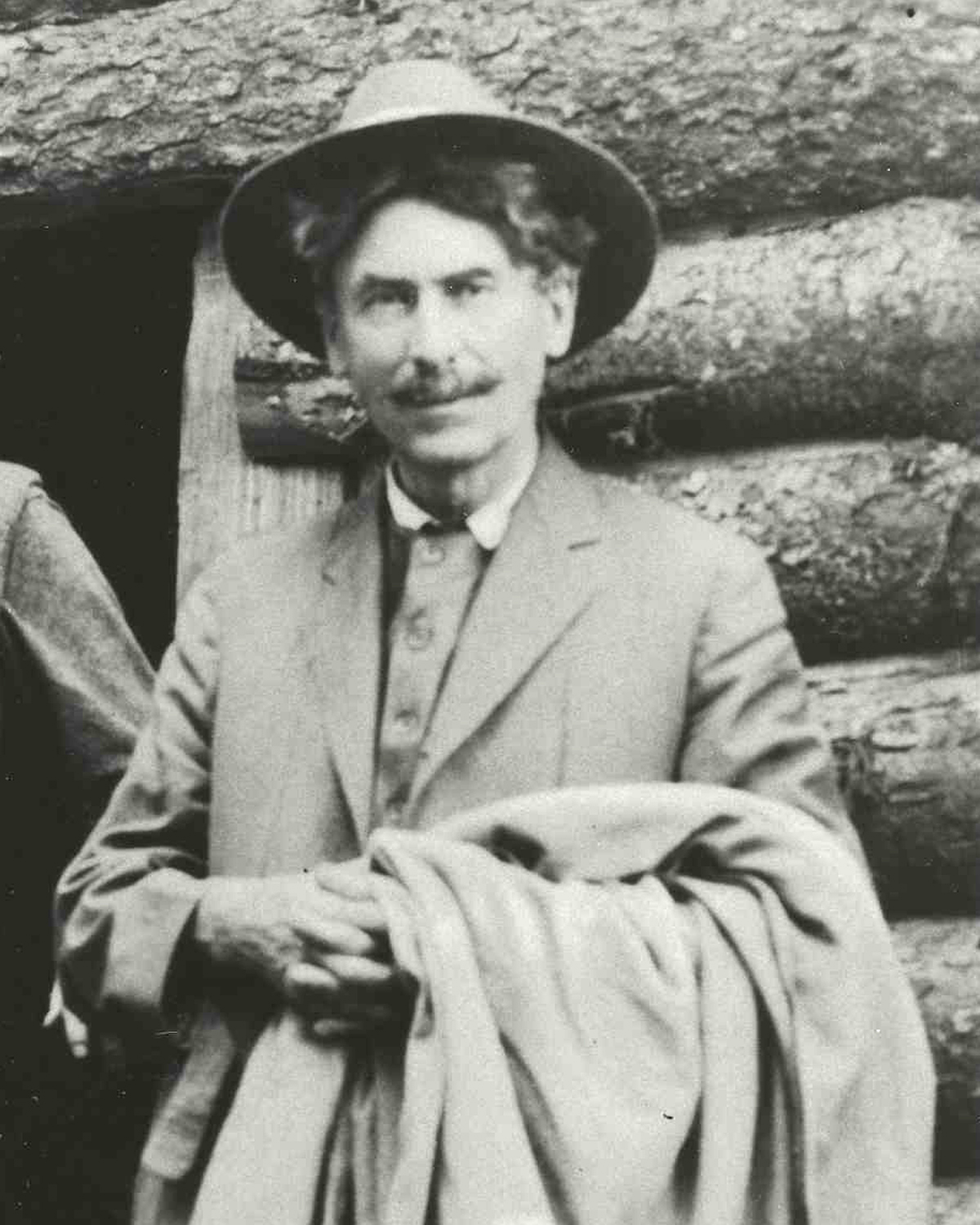
Ernest Thompson Seton

Ernest Thompson Seton was a Canadian naturalist, writer, and artist. He became very interested in studying wolves while working in Canada. Those experiences later became the basis for a number of animal fiction stories by Seton. Following his time in Canada, Seton moved to New York. When some local kids damaged some of his property, he invited them over for a weekend and taught them stories about nature and American Indians (as opposed to punishing them).

Seton created a youth group called the Woodcraft Indians in 1902; their program was based on American Indian culture and traditions. Seton wrote some articles for Ladies’ Home Journal that same year; these articles became the Woodcraft Handbook, and the Birch Bark Roll of the Woodcraft Indians. Baden-Powell was strongly influenced by Seton and borrowed a number of Seton’s ideas for his 1908 book Scouting for Boys.

In 1910, Seton helped to found the Boy Scouts of America (BSA). Seton wrote the Official Handbook: A Handbook of Woodcraft, Scouting, and Life-craft (in which he relied greatly on Baden-Powell’s Scouting for Boys, as well as his own Birch Bark Roll), merged the Woodcraft Indians with the BSA, and served as the first Chief Scout of the BSA from 1910 to 1915. Seton made sure that American Indian culture had a significant role in the BSA.  American Indian culture also had an impact on the the founders of the Order of the Arrow.

1


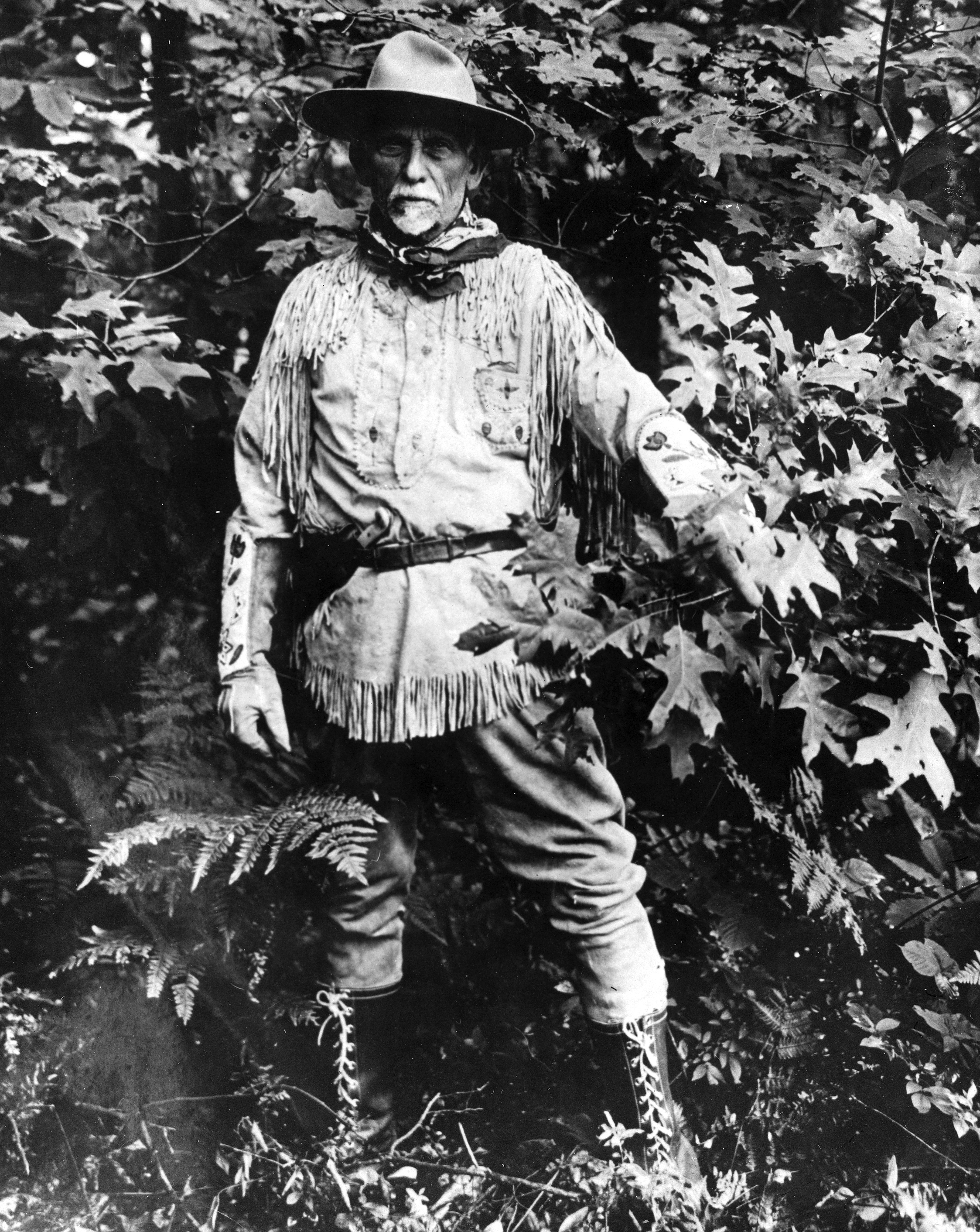
Daniel Carter Beard

Daniel Carter Beard, known to many in Scouts as “Uncle Dan” Beard, was an American illustrator and author. He illustrated several books for the famous author Mark Twain. He wrote numerous articles for St. Nicholas Magazine that he later put together as The American Boys Handy Book. He was a good friend with Ernest Thompson Seton, future Chief Scout of the BSA.

In 1905, Beard founded the Sons of Daniel Boone, which used many American frontier skills as their activities. This group later merged into the Boy Scouts of America when it formed in 1910. Dan Beard was named one of the original National Scout Commissioners and held that position for over 30 years before his death in 1941. Beard and Seton are largely responsible for what is known as the “Traditional Scouting” movement (the BSA Cub Scout and Boy Scout programs, however, the term also applies to the basic outdoor skills and activities central to Scouting). Beard also served as editor of Boy’s Life, and wrote a regular column for youth in the magazine.

Dan Beard passed away on June 11, 1941. E. Urner Goodman was selected out of the national office to be in charge of the funeral. An estimated 2,000 plus Scouts lined the funeral route.

1