NOAC 1954
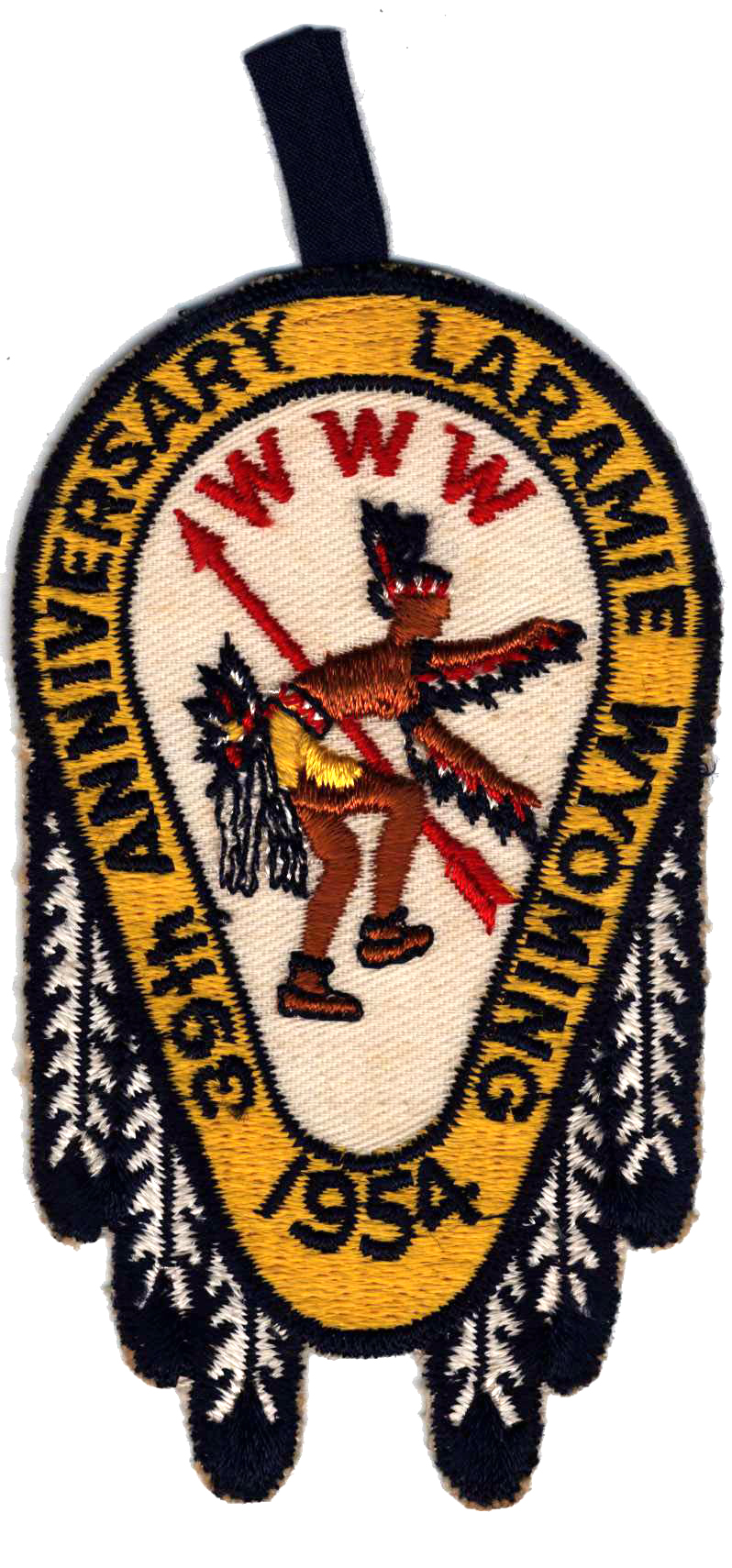
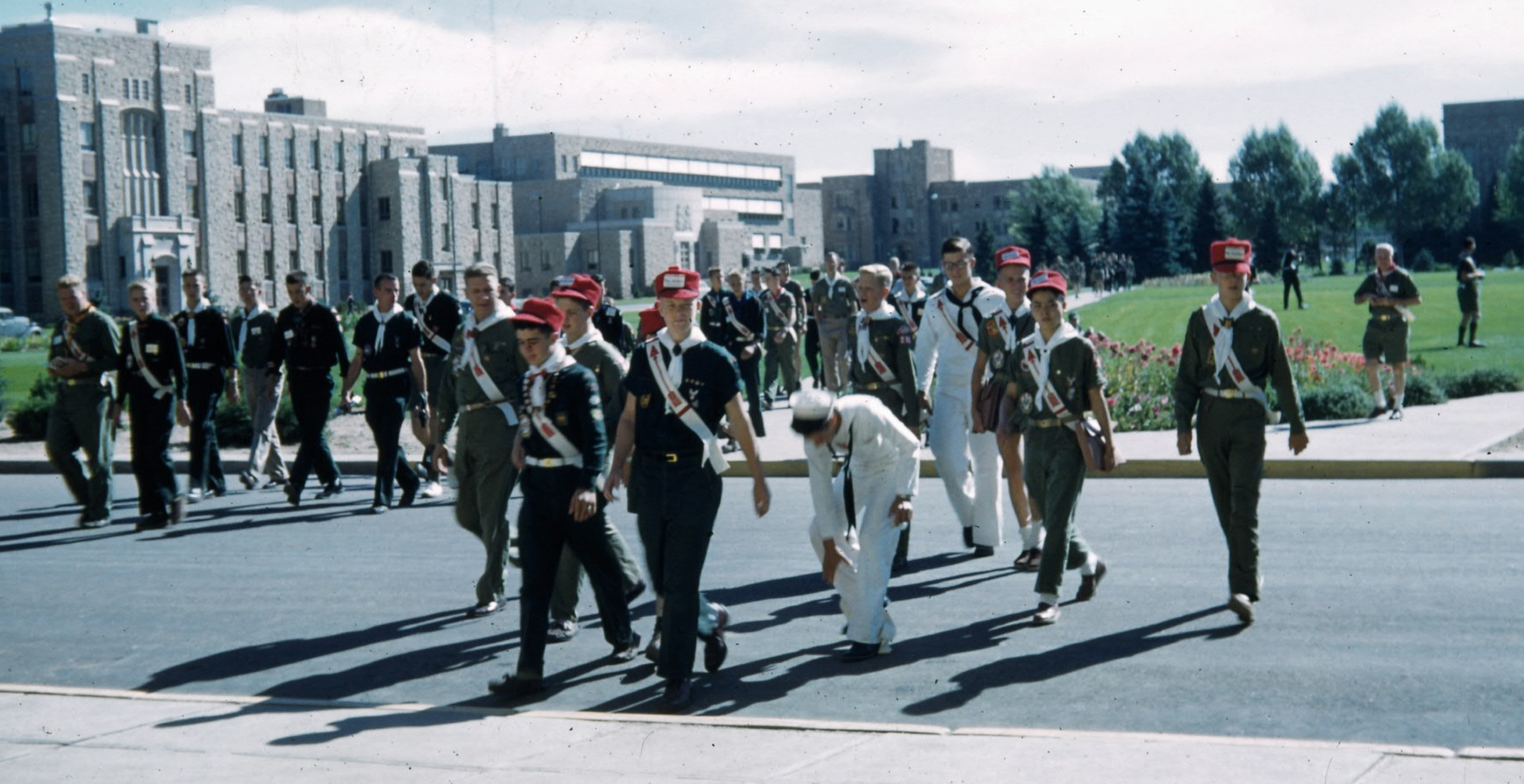
The OA gathered west of the Mississippi for the first time to for the 1954 National Order of the Arrow Conference (most often referred to as the “39th Anniversary Conference”). The meeting was held at the University of Wyoming in Laramie. The barely three-year old Kola Lodge, based in Fort Collins, Colorado together with a chapter of theirs in Laramie served as host. The conference was down in attendance from two years earlier as it was reported that there were 1,400 delegates. This was mainly due to the extra distance required for travel to Wyoming.
 F
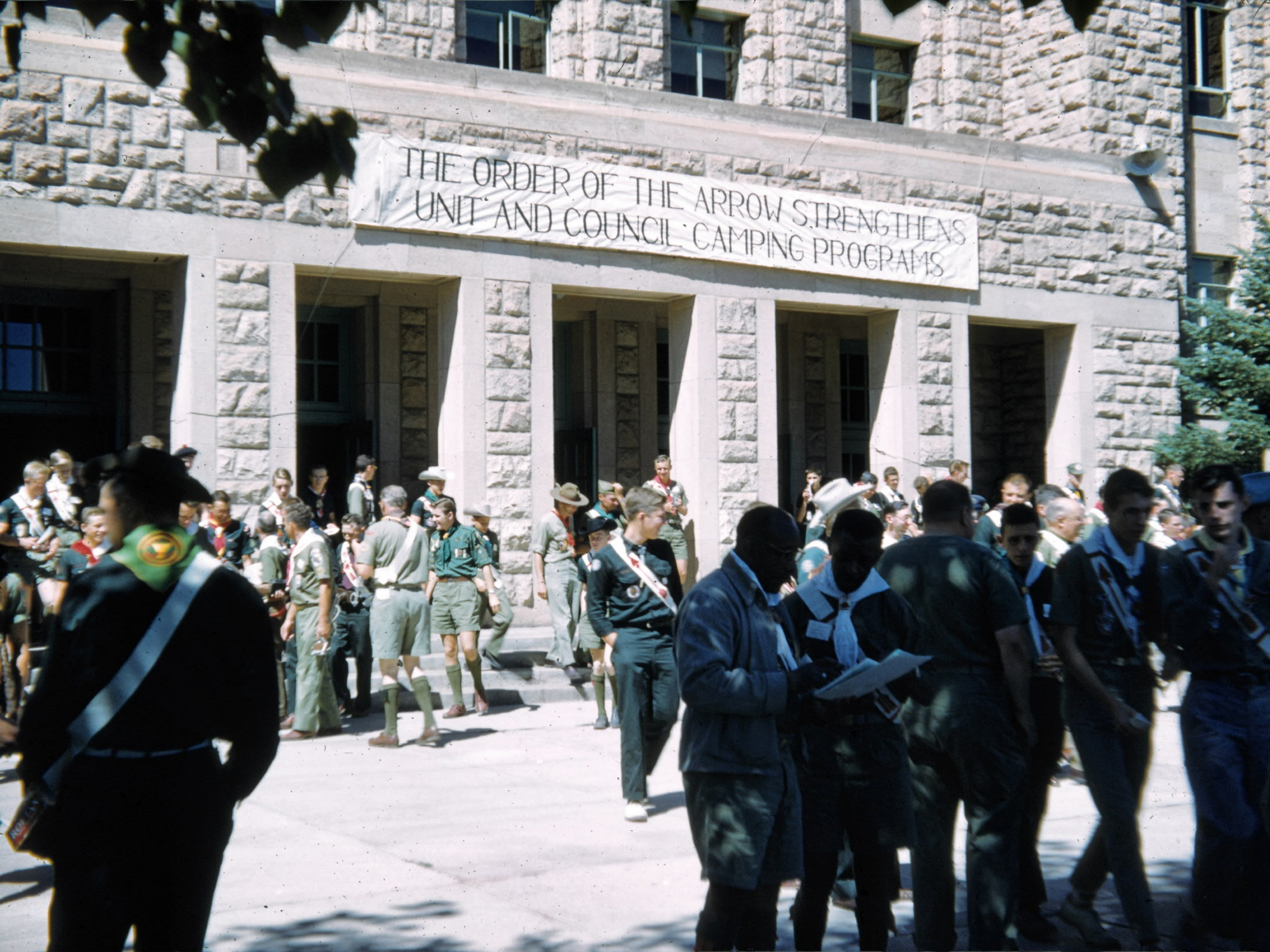
F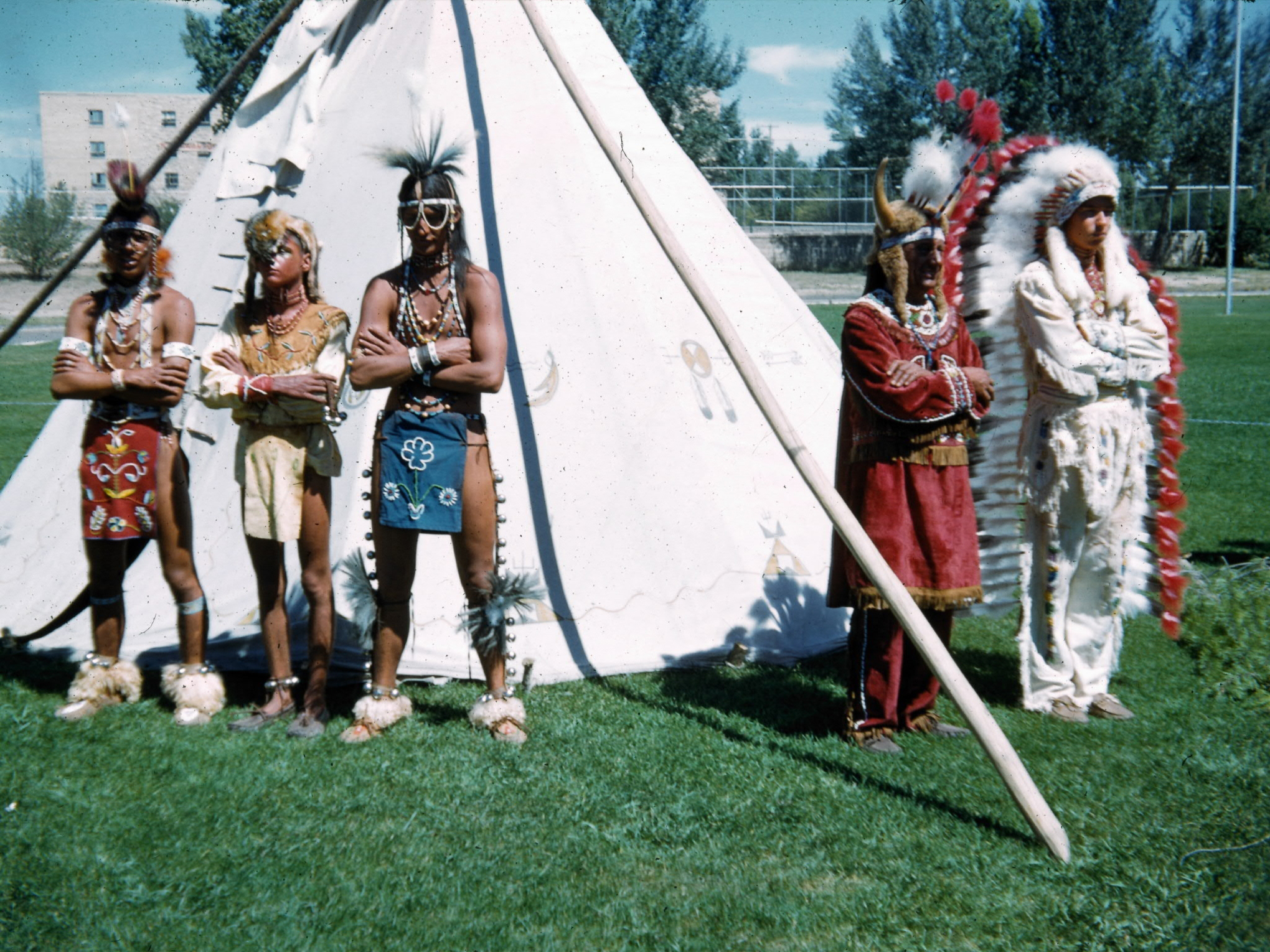 or the first time the Conference had a theme, "The OA Strengthens the Unit and Council Camping Programs". Other firsts were awards for top Dance and Regalia competitions. Zit Kala Sha Lodge, L
 ouisville, Kentucky, captured the trophy for the best Regalia display.
Training was 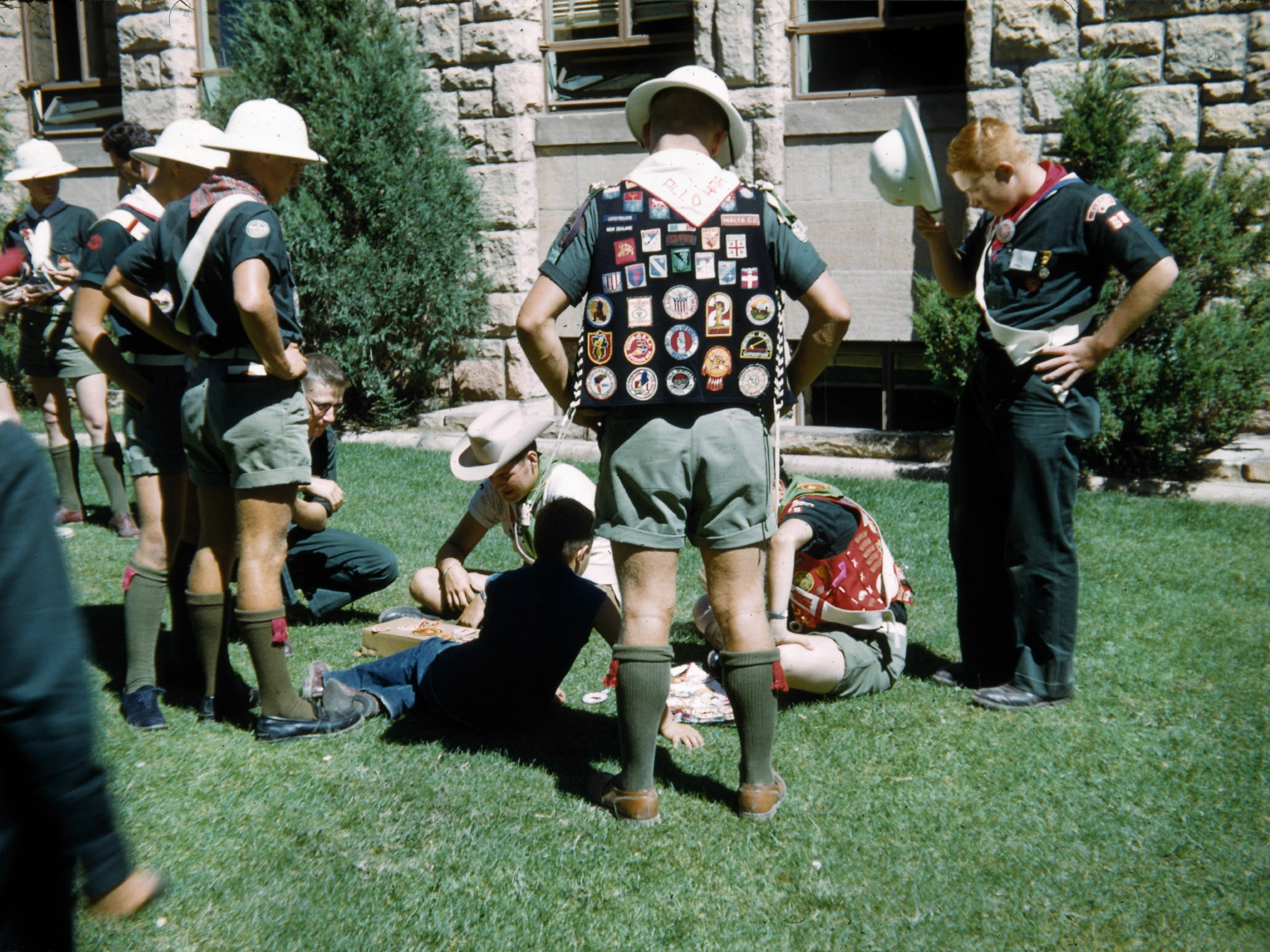 again emphasized. This conference had four training sessions, each with ten topics offered. The sessions were led by lodge chiefs and other qualified youth with support from members of the National OA Committee.
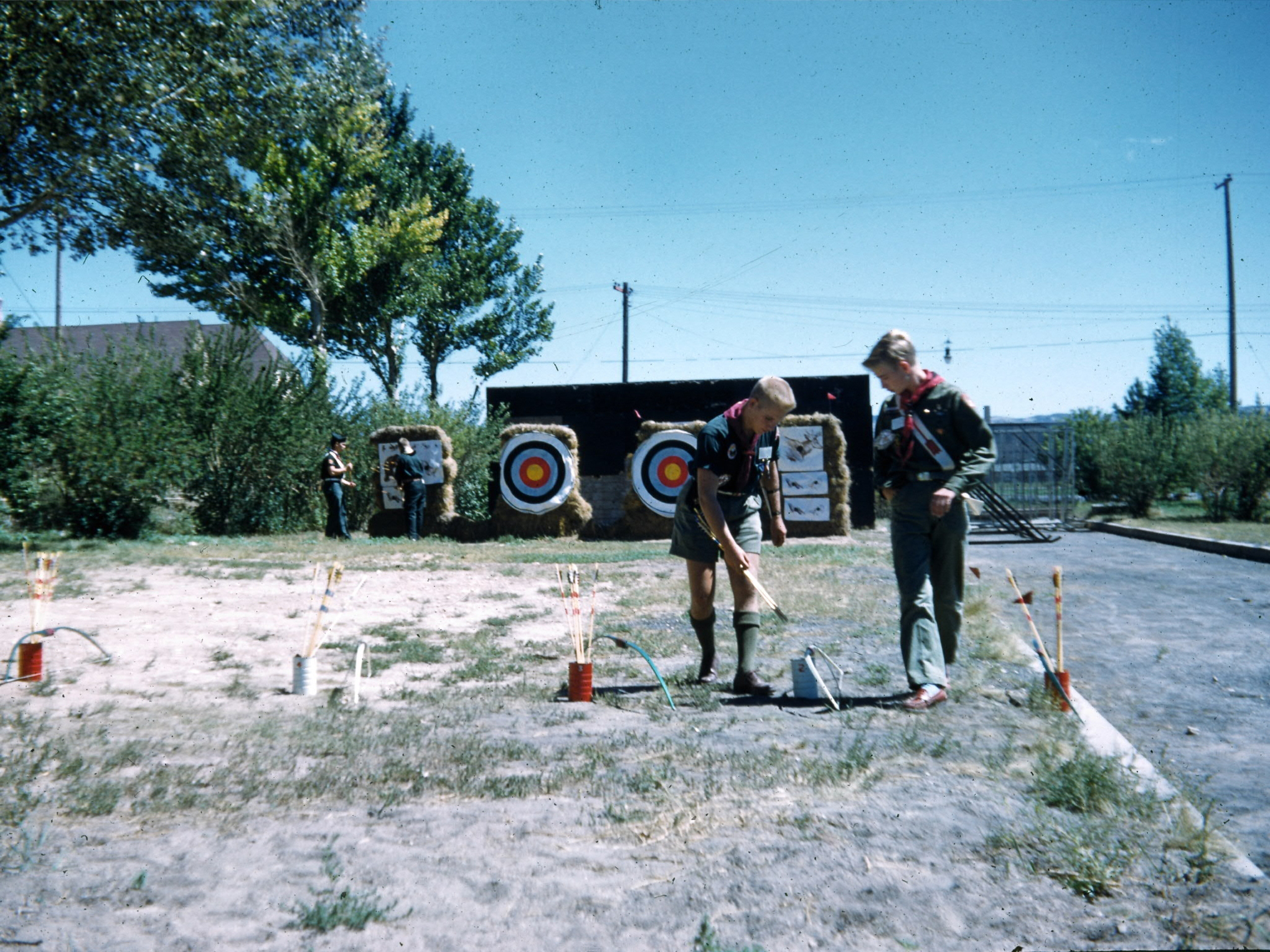 At the closing ceremony, Dwight W. Bischel from Wabaningo
  Lodge, Evanston, Illinois, Editor of the Wabaningo Lodge Emblem Handbook was complimented on his display of Order of the Arrow badges.
The OA Distuingished Service Awards (DSA) were presented. 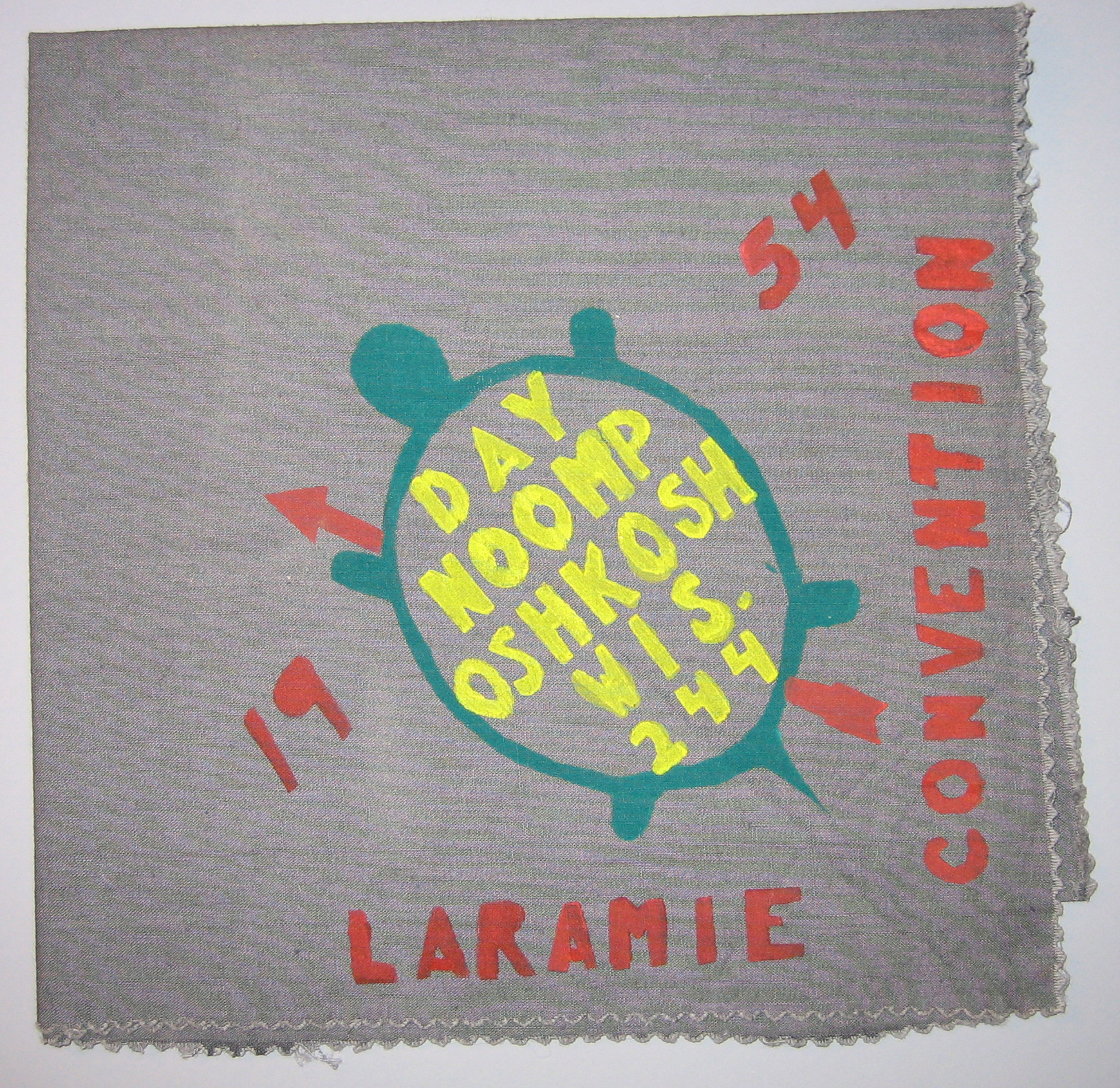 Founder E. Urner Goodman gave the closing challenge. Dwight Bischel had the foresight to record and preserve this address on a reel-to-reel tape recorder.
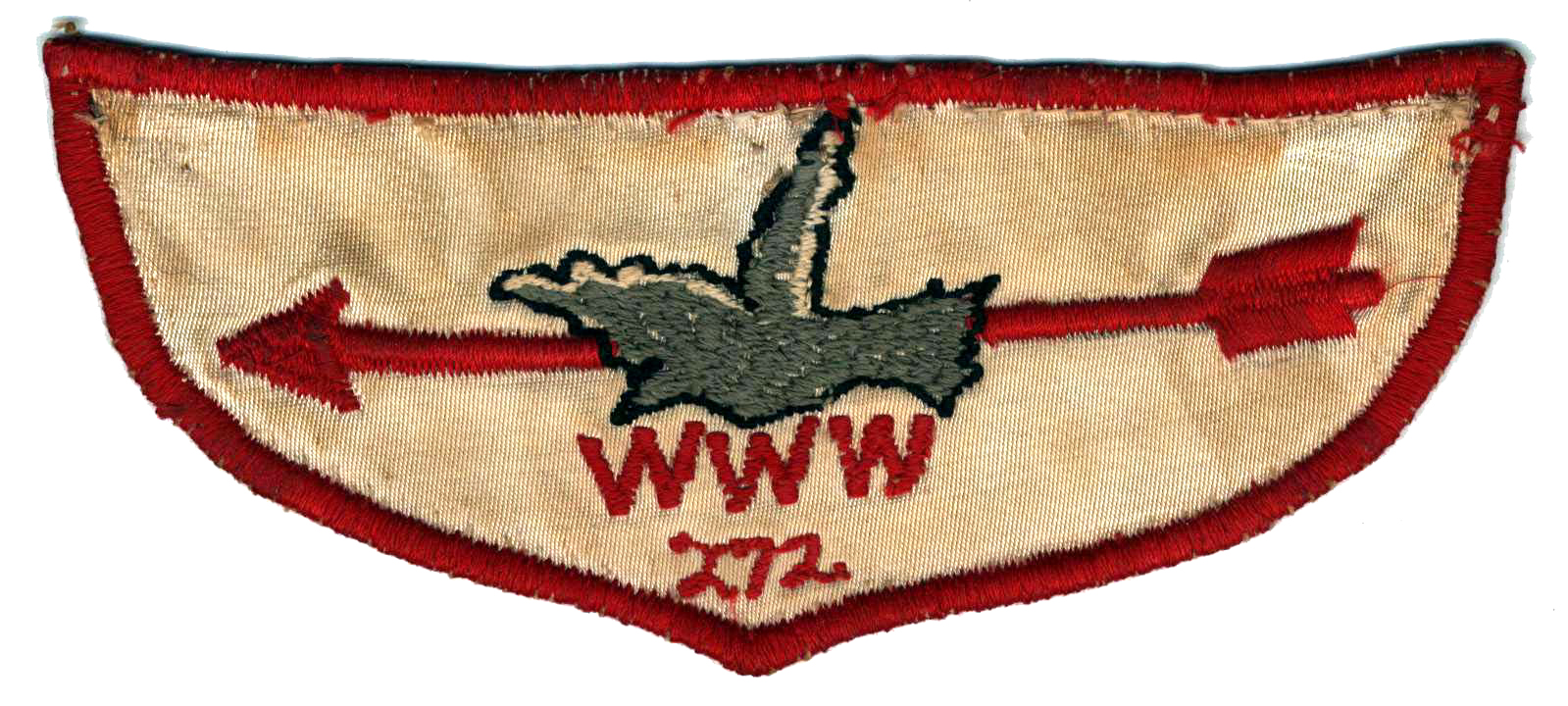
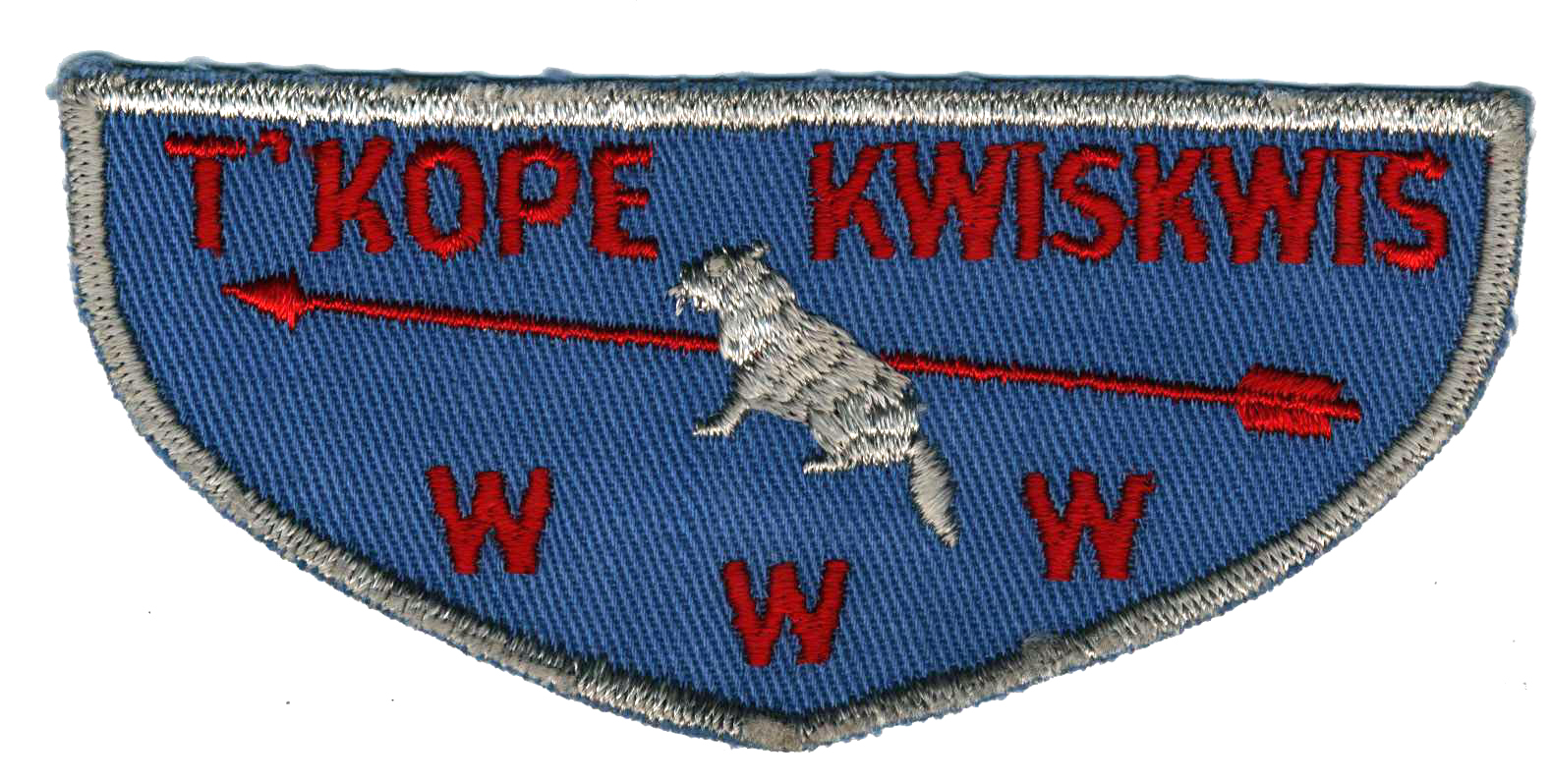
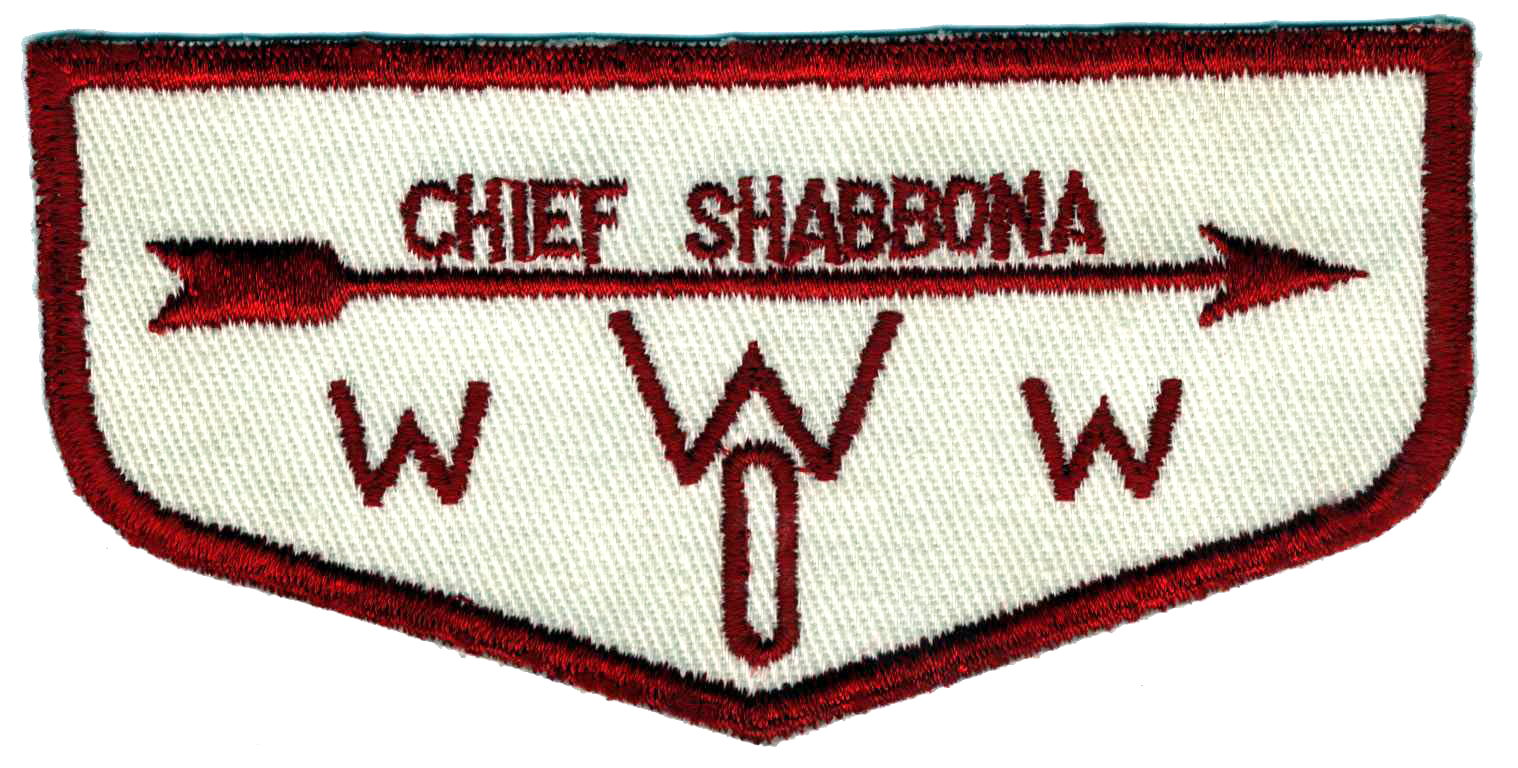
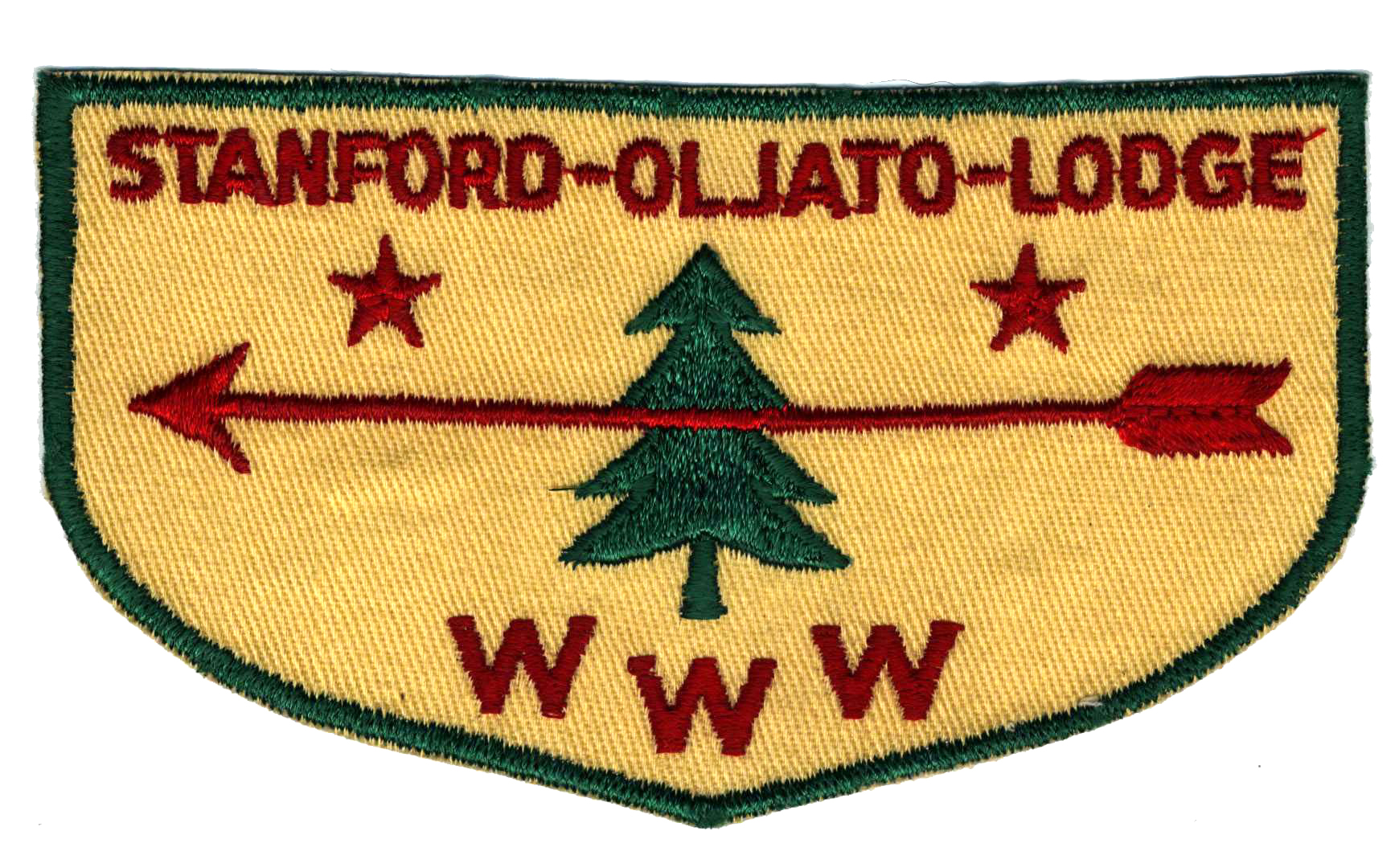 In 1954, with the above decree the National Committee on Insignia declared the right shirt pocket flap as the official location for OA insignia. No other organization within the BSA had ever been afforded the honor of having a portion of the uniform designated as a location for their insignia.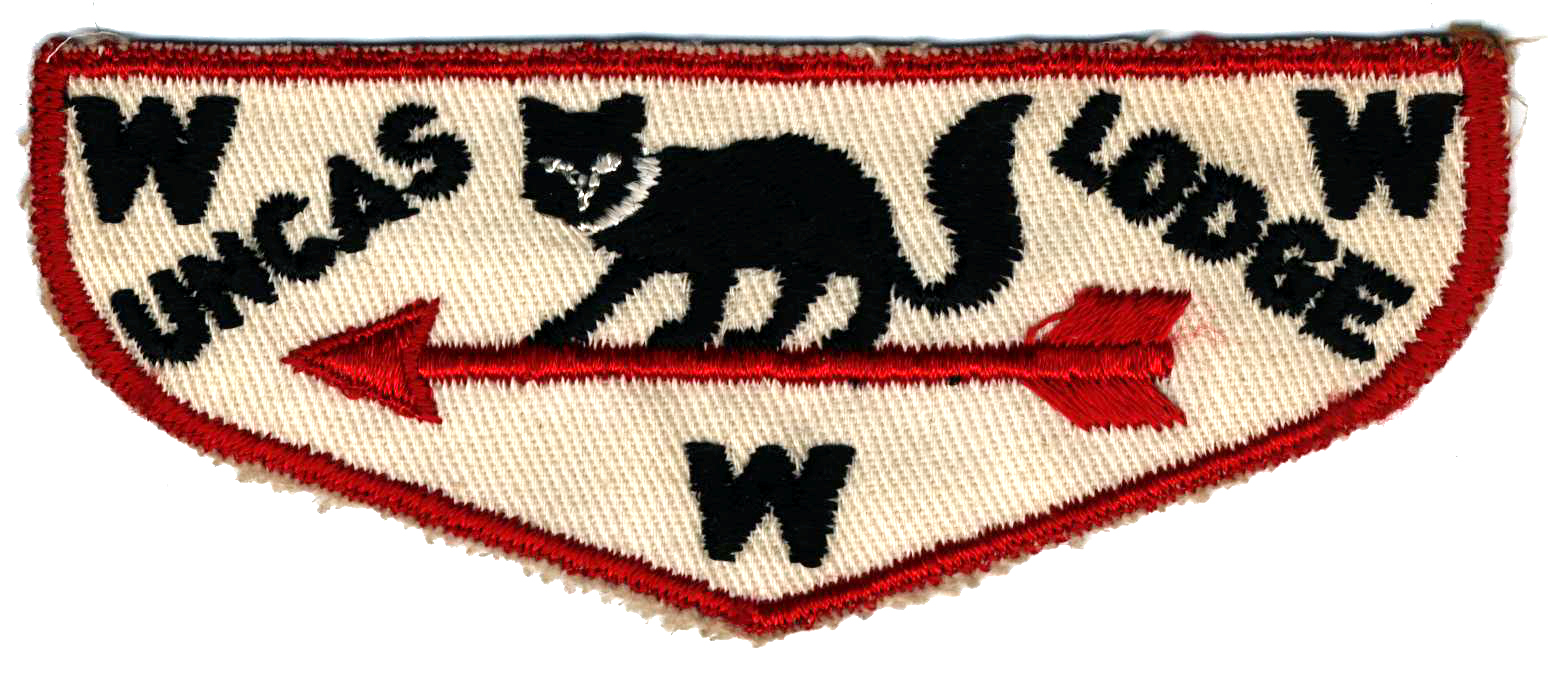
 Highlights at the Conference included an address from
 on and subsequent barbecue drew some 5,000.
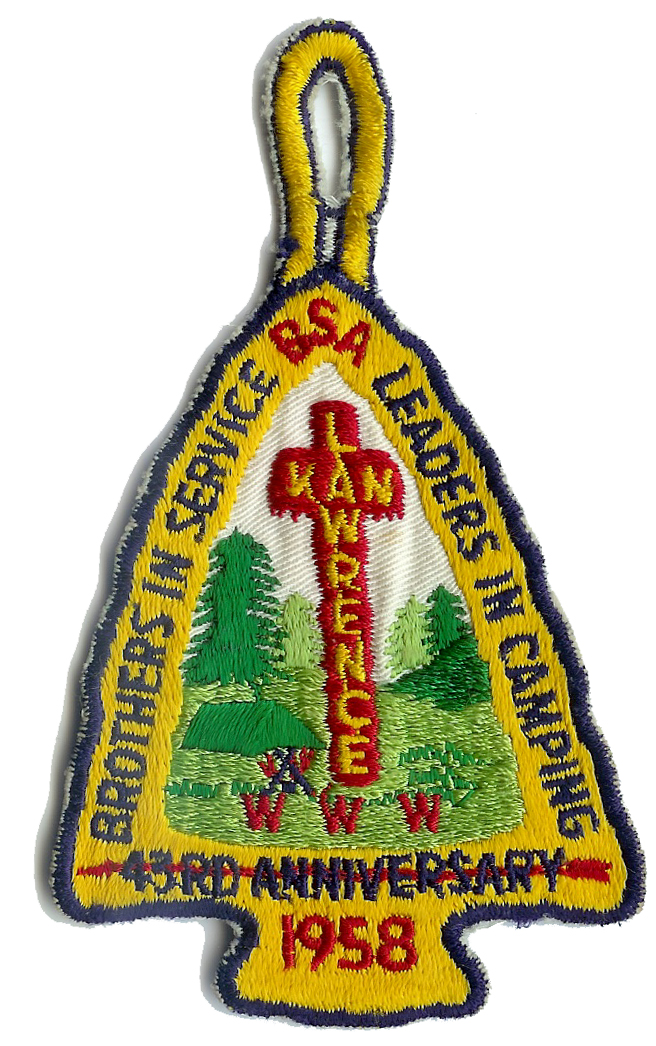 he Confere
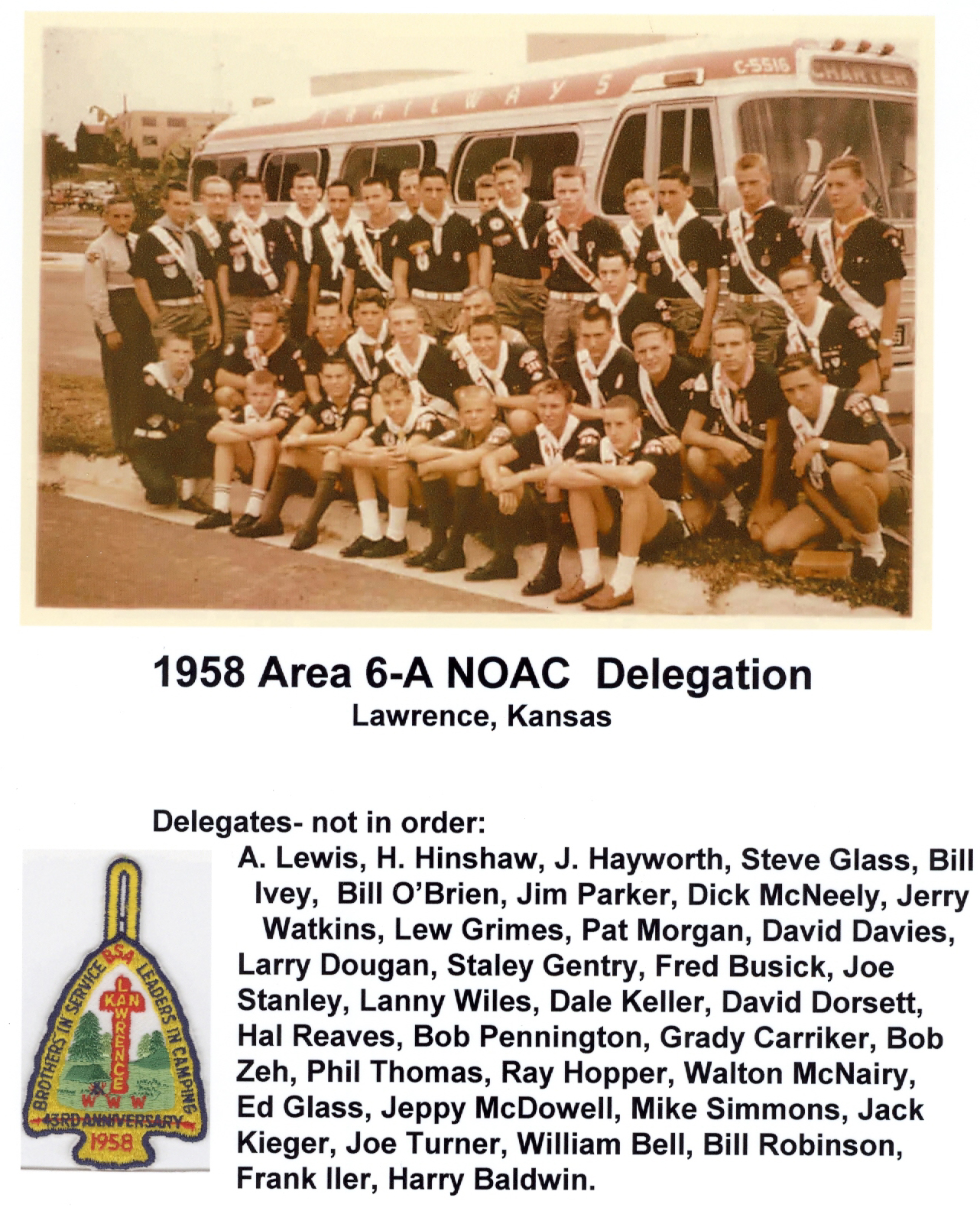 nce theme was, “Bro
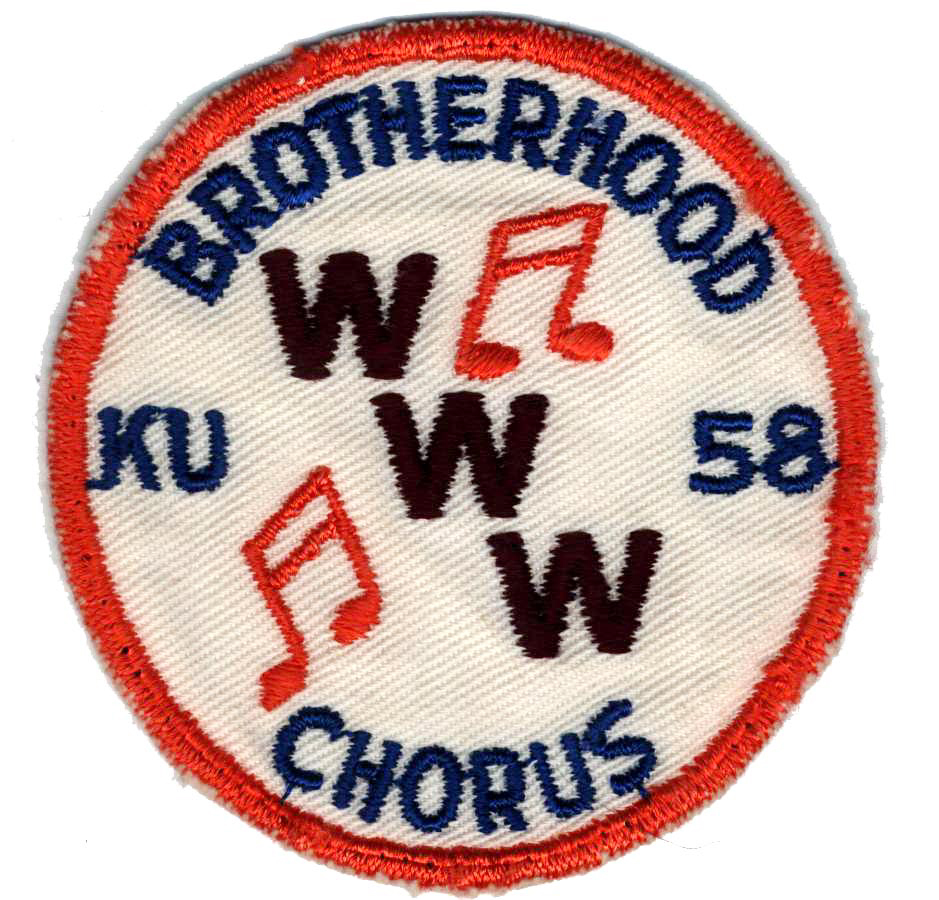
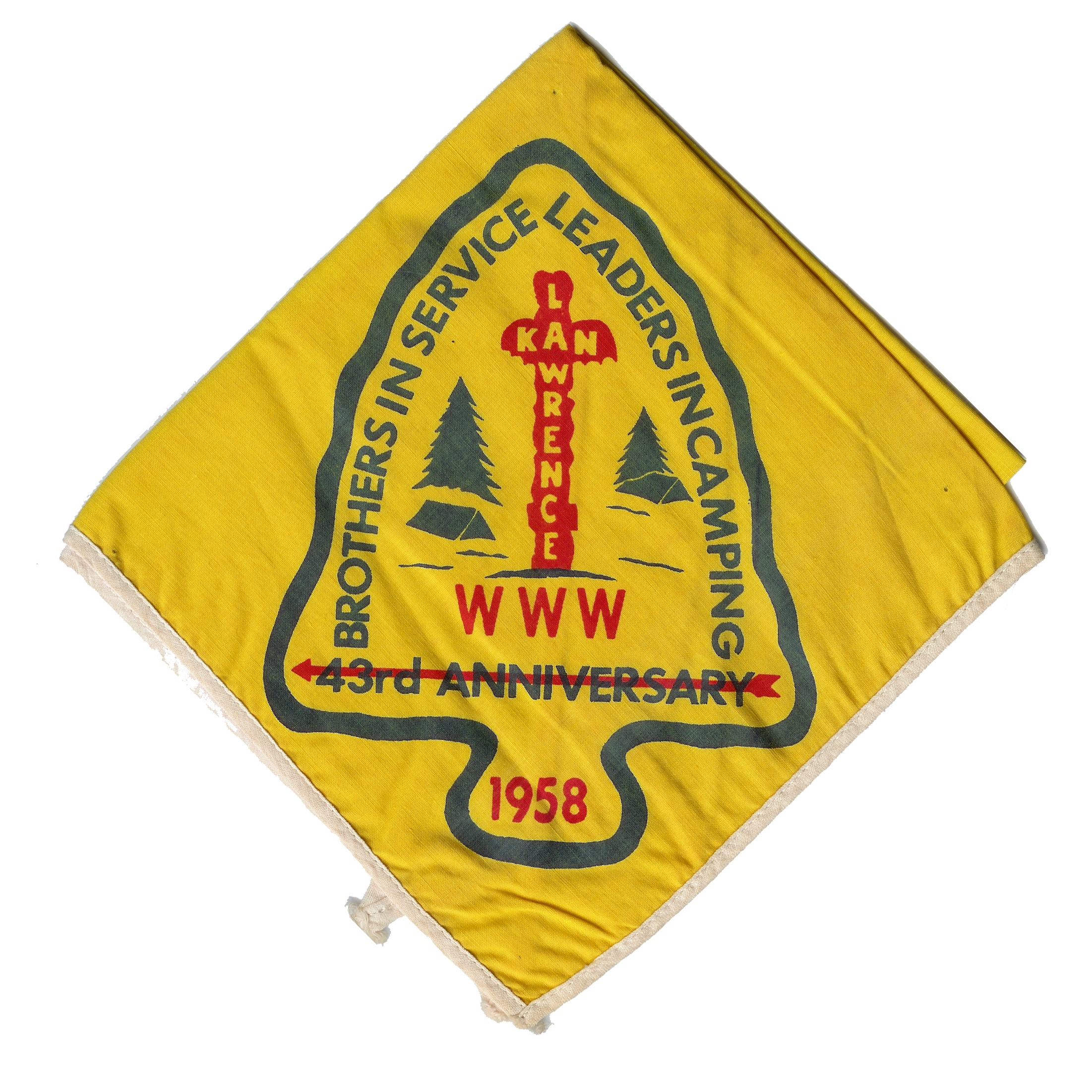
 thers in Service – Leaders in Camping”. As in the past, training sessions were held on multiple days with a wide array of discussion topics. Dance competition, Brotherhood Chorus and barbeque were again on the schedule. For the first time ever a Brotherhood Band was part of the festivities. The
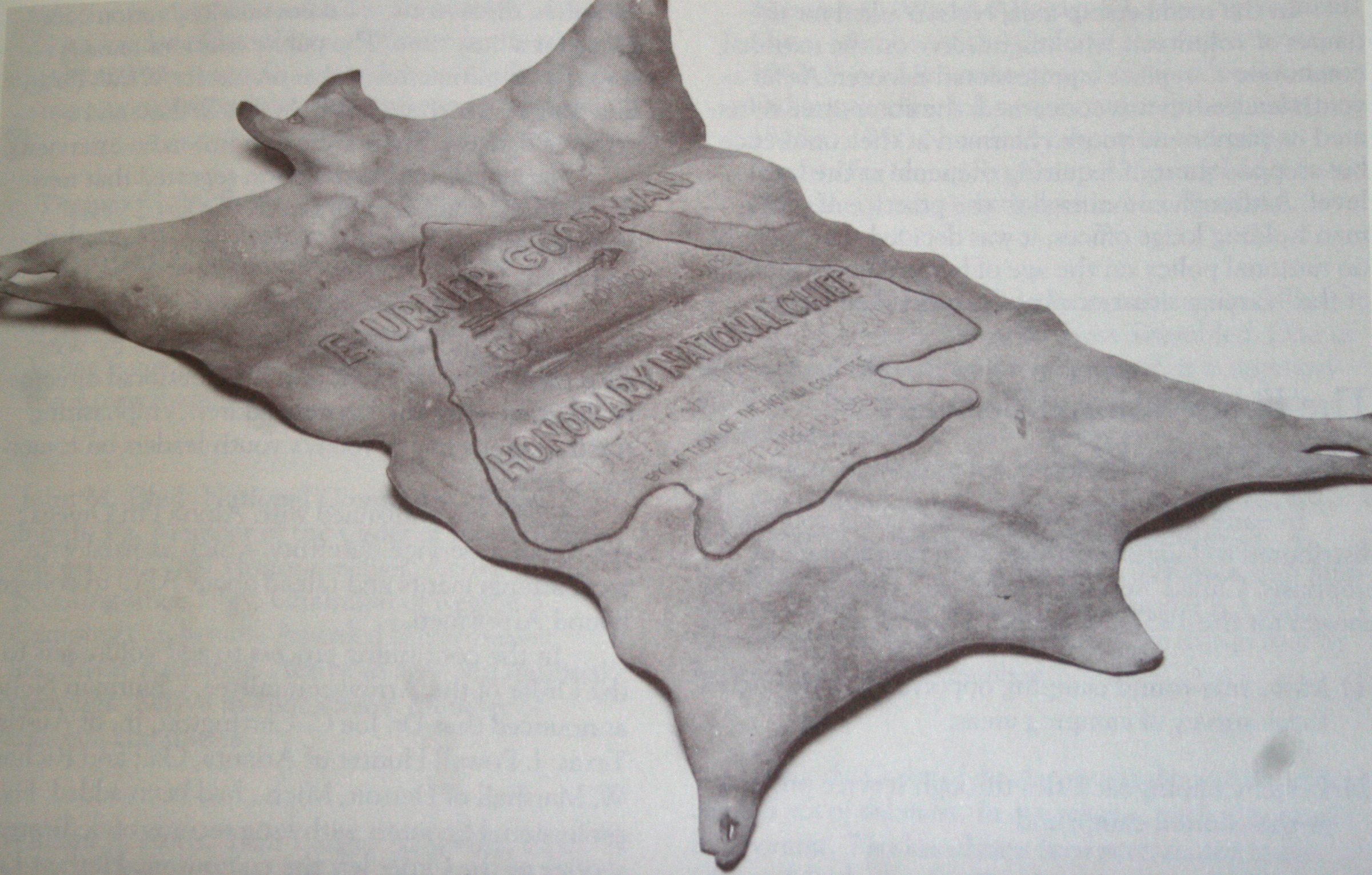
  ounder Goodman
  delivered his customary closing challenge to Arrowmen.
 Chairman H. Lloyd Nelson
 The Conference was held at Miami University, Oxford, Ohio. Michi-Kini-Kwa Lodge was the host lodge. The 2,200 attendees (2,095 delegates) doubled the size of any prior meeting, as did the 210 lodges representing 37 states.
  newspaper, called the Totem Talks and the introduction of the National Brotherhood Chorus. The Conference featured a display center that featured exhibits from local lodges that displayed headdresses and regalia. White Panther Lodge, Clarksdale, Mississippi won a special award for their entry. Other exhibitors were
 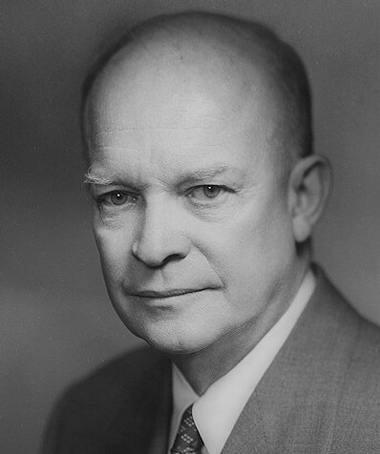 very strong supporter of Scouting ever since his son participated in the program.
 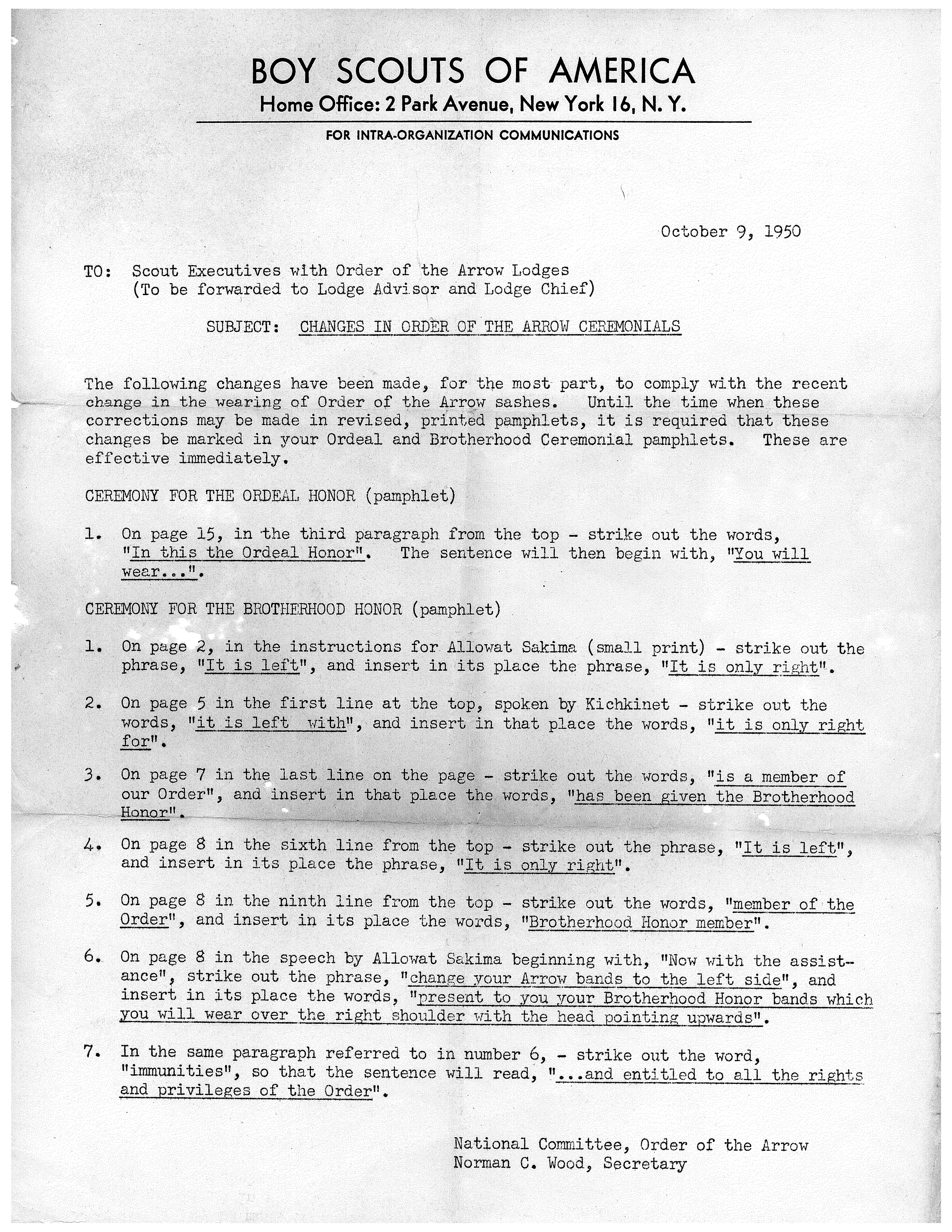 The key change in the Brotherhood Ceremony was the elimination of the movement of the sash from the left shoulder to the right shoulder. While it has been rumored that this was because of McCarthyism, there is no documentation to support that claim.
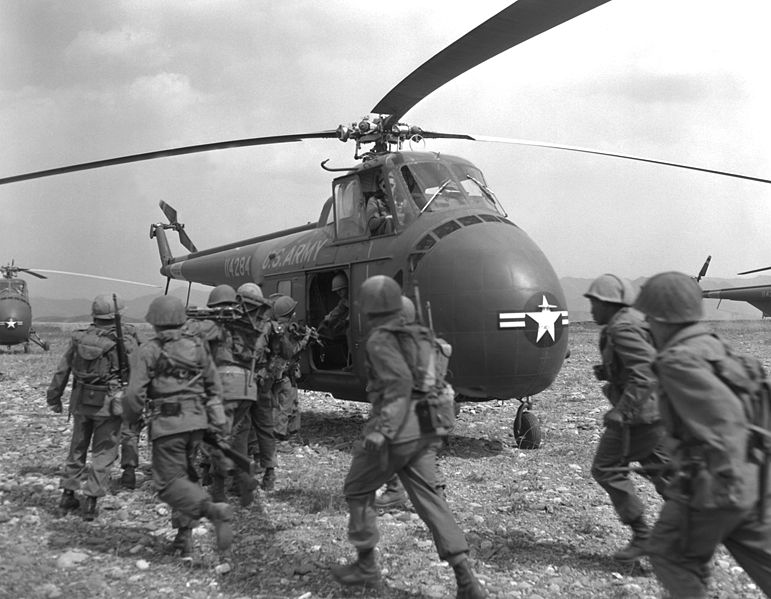 ations, and the Democratic People’s Republic of Korea (North Korea) and the People’s Republic of China with support from the Soviet Union.
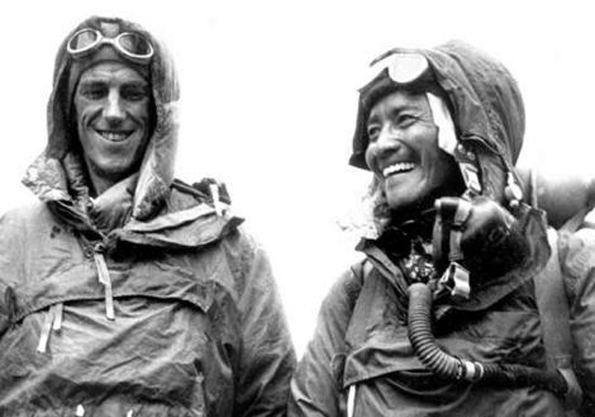 After years of dreaming about it and seven weeks of climbing, New Zealander Edmund Hillary and his Sherpa guide Nepalese Tenzing Norgay became the first men to reach the summit of Mt. Everest in the Himalayas, along the border of Nepal and Tibet/China, the highest mountain in the world, at 11:30 a.m. on May 29, 1953.